You wrote a blog post with an AI co-writer. You scored a video with an AI music tool. You shipped an app with AI-generated code. Now the practical question lands: can you actually copyright any of it? Can you stop someone from lifting it — and sell it without a nagging worry in the back of your mind?
Here is the honest, plain-English answer for 2026 — broken down by the kind of content you’re making, because the answer genuinely depends on it. No law degree required.
The 2026 answer, in one sentence
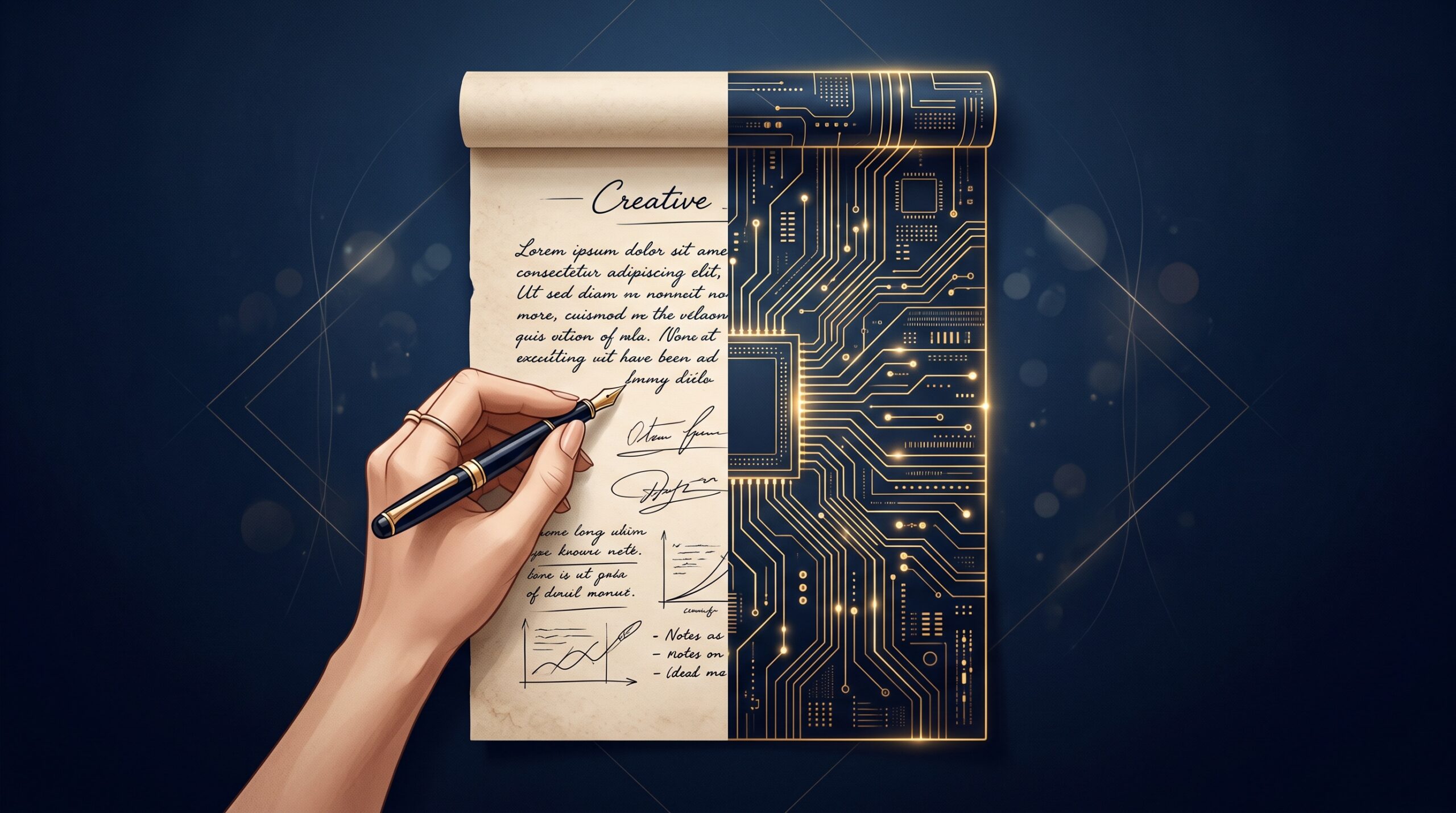
You can copyright the parts of AI-generated content that reflect your own creative choices — but not the parts a machine produced on its own. Type a prompt, accept the output, and that output alone is not protectable. Shape it, arrange it, edit it, combine it with your own work — and those human contributions can be.
Track the cases yourself
Every current AI-copyright ruling — and the ones still being fought — lives in our AI Copyright Ruling Tracker. Filter by your creator type to see, in plain language, how each case affects your rights.
This isn’t a guess. In January 2025 the U.S. Copyright Office published Copyright and Artificial Intelligence, Part 2: Copyrightability, its clearest statement yet. The headline: human authorship is the bedrock of copyright, so purely AI-generated material can’t be registered — while human-authored elements in an AI-assisted work still can.
Why ‘human authorship’ is the whole ballgame
Every copyright question about AI comes back to one word: authorship. U.S. law protects the creative work of human authors. A machine isn’t an author, and — this is the part that surprises people — owning or operating the machine doesn’t make you one either, if the machine made the creative decisions.
The Copyright Office was blunt about prompts. In its words, “given current generally available technology, prompts alone do not provide sufficient human control to make users of an AI system the authors of the output.” Prompting is a bit like commissioning: you describe what you want, but you don’t control the thousand micro-decisions that produce the final result. That gap is why a prompt-only creation falls outside copyright.
So the real question isn’t “did I use AI?” It’s “how much of the final work is actually me?”
The part that IS yours: mixed human-AI works
Most creators aren’t making pure AI output — they’re making hybrid work. And hybrid work is where copyright quietly comes back to life. The Office recognizes at least three ways your human contribution earns protection:
Creative arrangement. If you select, edit, and arrange AI-generated pieces into something with your own creative structure, that arrangement can be protected — even when the individual pieces aren’t. The comic Zarya of the Dawn is the classic example: the Copyright Office protected the author’s text and the way she arranged the panels, but not the individual Midjourney images inside them.
Human-authored elements. The words you wrote, the melody you composed, the photo you shot, the code you hand-authored — mixing them with AI output doesn’t strip their protection.
Meaningful modification. If you take AI output and substantially rework it — painting over an image, rewriting a draft into something new, re-cutting and re-timing — your changes can carry their own copyright.
A quick tour by content type
Writing. AI-drafted text you accept as-is: not protectable. But heavily edited, restructured, fact-checked and rewritten text — where your voice and choices dominate — is a human work. The more of the final prose is genuinely yours, the stronger your claim.
Images and art. A raw Midjourney or DALL·E render from a prompt: not protectable on its own. Composite it, paint over it, or arrange multiple pieces into an original design, and the human layer becomes protectable. (We cover this in depth in our guide to whether AI art is copyrightable.)
Music and audio. A track a generator spits out from a text prompt: not protectable. But your original melody, lyrics, performance, or the way you arrange and produce AI stems into a finished song — those human contributions can be. A song is often many copyrights stacked together; the human ones survive.
Video. Fully AI-generated clips are treated like AI images — the raw output isn’t yours. Your editing, sequencing, script, narration, and original footage are. A video is usually a mix, and the mix is where your rights live.
Code. AI-suggested snippets you accept verbatim sit in a genuinely gray, evolving area — but the architecture you design, the code you write, and the way you assemble a working program reflect human authorship. Treat the AI as a very fast intern, not the author of record.
How to register AI-assisted work (and the disclosure rule)
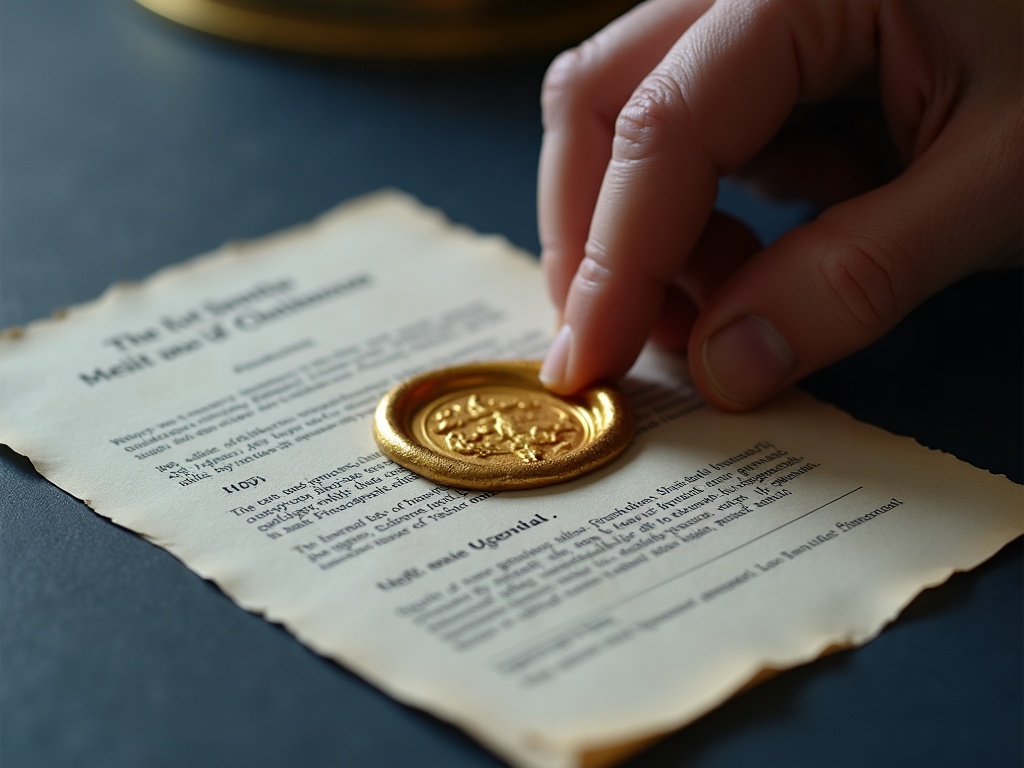
You can absolutely register a work that contains AI-generated material — you just have to be honest about which parts are which. The Copyright Office asks you to:
1. Claim only the human parts. Register the text, arrangement, edits, or original elements you created. Don’t claim the raw AI output as your own authorship.
2. Disclose the AI-generated material. If a work contains more than a trivial amount of AI-generated content, you’re expected to identify it and disclaim it in your application. Hiding it can jeopardize the whole registration — the Office has cancelled registrations where AI involvement wasn’t disclosed.
3. Keep your receipts. Save drafts, layered files, edit histories, and version notes. If your authorship is ever questioned, evidence of your creative choices is what proves the work is yours.
Registration isn’t required for copyright to exist, but in the U.S. it’s what lets you sue for infringement and seek meaningful damages. For a work that’s mostly yours with some AI assistance, it’s usually worth doing.
What to do right now
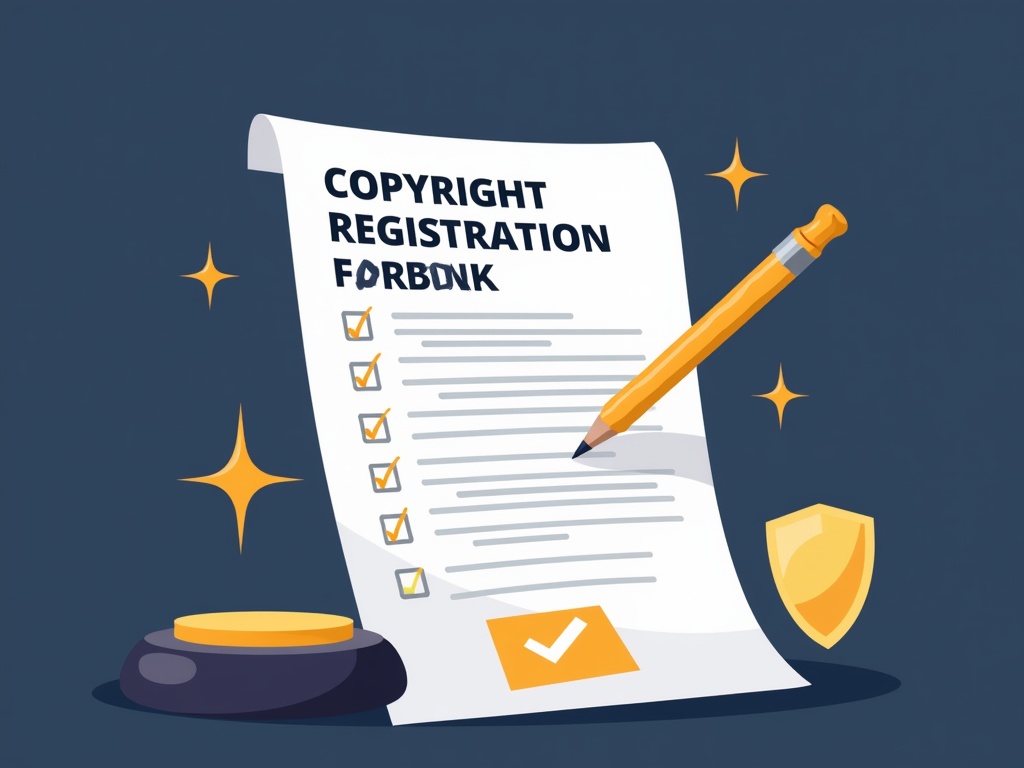
A quick checklist for any creator working with AI tools:
✓ Add real human authorship. Don’t ship raw prompt output. Edit, arrange, combine, rework — make meaningful creative choices you could describe out loud.
✓ Know what you can and can’t claim. You own your contributions, not the machine’s. Price and license your work with that in mind.
✓ Document the human part. Keep drafts and edit trails so you can show your work.
✓ Disclose AI when you register. Honesty protects the registration; concealment can void it.
✓ Read your tool’s terms. Copyright is one layer — your AI platform’s license controls whether you can use the output commercially at all.
A quick, friendly reminder: this is general information to help you understand your rights, not legal advice. AI copyright law is moving fast, and if real money or a dispute is on the line, talk to an IP attorney about your specific work.
IPSurge helps creators and small businesses understand and protect their intellectual property — the ideas, names, and work that make them unique.
Sources & further reading:
- U.S. Copyright Office — Copyright and Artificial Intelligence, Part 2: Copyrightability
- U.S. Copyright Office — Registration Guidance: Works Containing Material Generated by AI