Fan art and fan fiction are how a huge share of creators learn their craft. You love a game, a show, a book, a band — so you draw the character, write the side story, sketch the crossover nobody asked for. It’s affection made visible, and platforms are overflowing with it. So here’s the question that makes people nervous: is any of it actually legal?
The honest answer is uncomfortable. Most fan work is technically copyright infringement — and most of it is completely fine to make anyway. Those two things are true at the same time, and the gap between them is where every takedown, cease-and-desist, and “wait, am I allowed to sell this?” question lives. This is IPSurge, so let’s draw the real line: what gets left alone, what gets you a takedown, and how to stay on the safe side.
Why Fan Work Is Infringement by Default
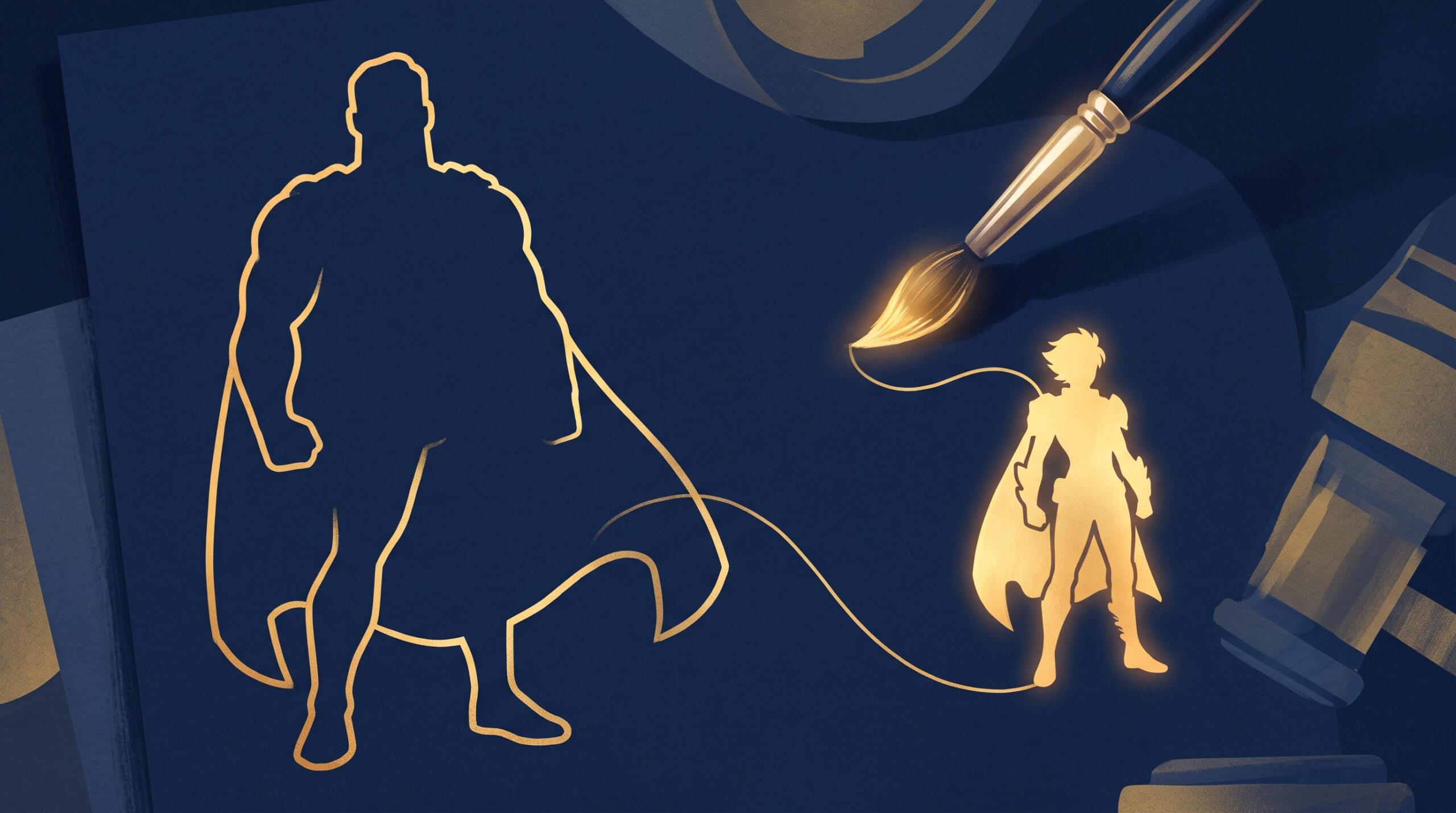
Copyright gives the owner of a character or story a bundle of exclusive rights, and one of them is the right to prepare derivative works — new creations based on the original. A drawing of an existing character, a novel set in someone else’s fictional world, a comic starring their cast: those are textbook derivative works. Making one without permission uses a right that isn’t yours.
Track the cases yourself
Every current AI-copyright ruling — and the ones still being fought — lives in our AI Copyright Ruling Tracker. Filter by your creator type to see, in plain language, how each case affects your rights.
That’s why “but I made it myself” and “I’m not charging for it” don’t, on their own, make fan work legal. Your labor and your talent are real, but they’re built on top of protected material. The character design, the world, the named cast — those still belong to the rights-holder. Understanding this is the whole game: once you know fan work starts as infringement, you can see clearly why some of it survives and some of it doesn’t.
So Why Does Most Fan Art Survive? Tolerance, Not Permission
If it’s infringement, why is the internet not one giant lawsuit? Because most rights-holders choose not to enforce against ordinary fans. A thriving fan community is free marketing, a sign of a healthy franchise, and a fan base you do not want to antagonize. Suing the person who drew loving fan art of your hero is a public-relations disaster that also earns you nothing.
But notice what that is: tolerance, not a legal right. The owner is declining to enforce a right they still hold, and they can change their mind. Some companies publish fan-content guidelines telling you exactly what they’ll allow (Nintendo, for instance, is famously strict; others are relaxed). A few franchises have historically objected to fan fiction of their characters altogether. So the practical rule is: fan work lives in a zone of permitted-by-inaction, and your job is to avoid the specific behaviors that flip a tolerant owner into an enforcing one.
Could It Be Fair Use? Sometimes — but Don’t Count On It
Fair use is the real legal defense for fan work, and it’s narrower than fans hope. Courts weigh four factors, and the one that dominates is whether your work is transformative — whether it adds new meaning, message, or purpose rather than just re-presenting the original.
- Leans toward fair use: genuine parody that comments on the original, sharp satire, criticism, or a work so transformed it becomes something new. A comic that skewers a franchise is on far better footing than a straight, admiring portrait of its lead.
- Leans against fair use: faithful reproductions, work that competes with what the owner sells or licenses, and anything commercial. The fourth factor — harm to the market for the original — is where selling fan merch really hurts your case, because you’re arguably taking sales the owner could have licensed.
Two cautions. First, fair use is a defense you raise after being sued, not a permission slip you hold in advance — proving it can cost more than the fight is worth. Second, “transformative” has a specific legal meaning; adding your own art style to someone’s character usually isn’t enough on its own. Treat fair use as a possible shield, not a plan.
The Line That Actually Matters: Free vs. For-Profit
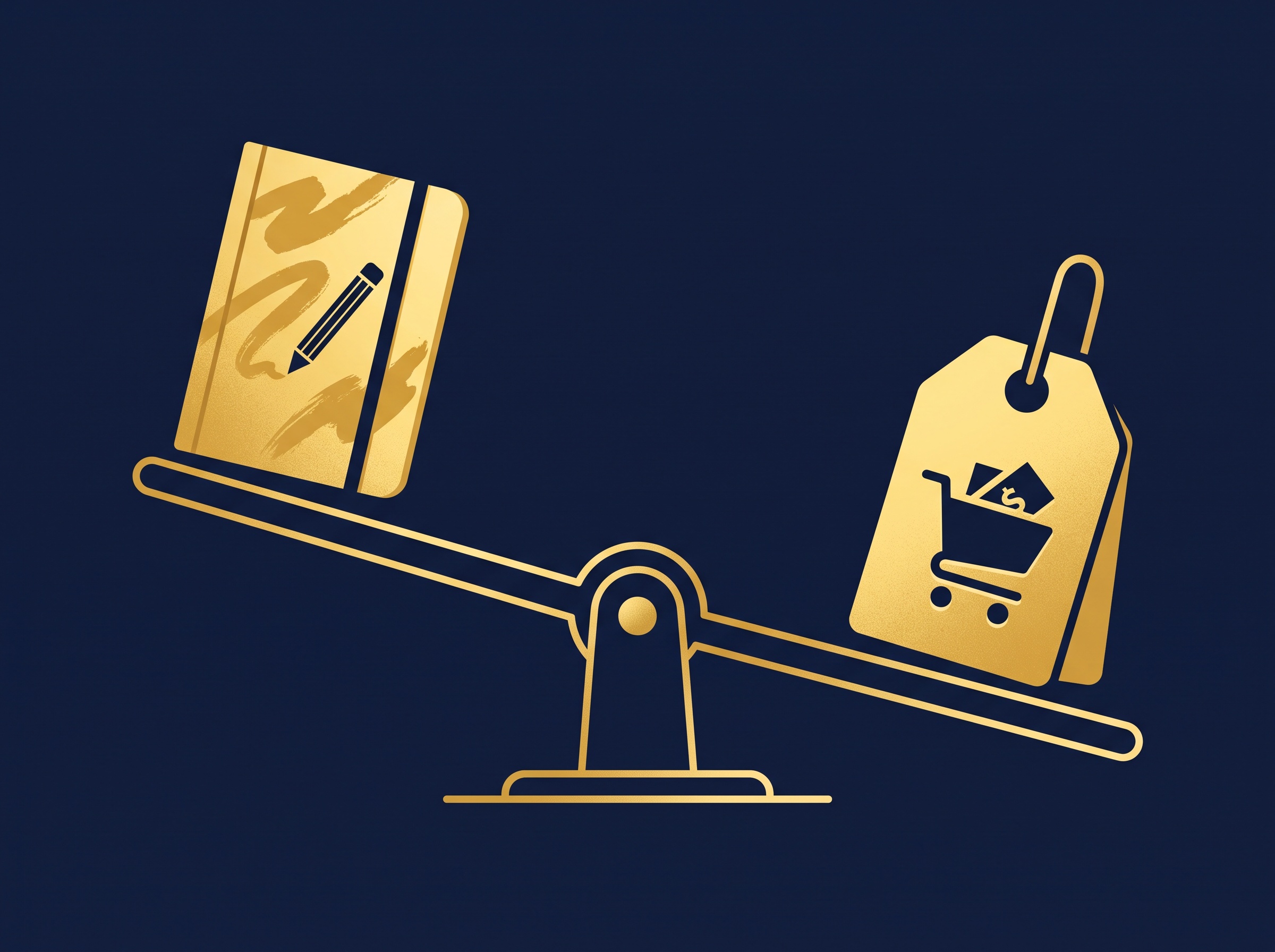
If you remember one thing, remember this: the single biggest factor in whether fan work gets you a takedown is whether you’re making money from it. The risk climbs steeply as you move along this line:
- Lowest risk: non-commercial fan work you post for free — art on your gallery, fic on a fan archive, sketches you give away. This is what most rights-holders tolerate.
- Higher risk: selling prints, stickers, enamel pins, or merch of a copyrighted character; taking paid commissions of licensed characters; running a print-on-demand shop stocked with fan designs. Now you’re competing with the owner’s own licensed merchandise — the exact thing they do enforce.
- Highest risk: mass-producing fan merch, using the franchise’s logo or name as if you’re official, or anything that suggests the rights-holder endorses you. That crosses from copyright into trademark territory, where owners are legally pressured to police their marks.
The convention artist-alley reality reflects this: selling fan prints at a table is widely tolerated in practice, but it is not “legal” in a way you can rely on, and the tolerance evaporates the moment a work becomes a bestseller or a company decides to crack down. Charging money doesn’t automatically doom you — but it removes your best argument and puts you squarely in the category owners care about.
The Trademark and Likeness Traps
Copyright isn’t the only law in play, and the other two catch people off guard.
Trademark protects brand identifiers — character names, logos, distinctive titles, and the overall look-and-feel (trade dress) that tells buyers who made something. Even where a copyright owner shrugs, using a franchise’s name or logo to sell your fan goods can trigger a trademark claim, because it implies an official connection. Labeling your shop or product as if it’s licensed is one of the fastest ways to get a letter.
Right of publicity protects real people. Fan art of a fictional character is a copyright question; fan art or fan fiction depicting a real celebrity, athlete, or musician — especially anything sold or anything sexualized — can violate their right to control commercial use of their name and likeness. That’s a separate claim from copyright, and it belongs to the person, not a studio.
What a Takedown Actually Looks Like
When enforcement comes, it’s usually not a courtroom. The common sequence is: a DMCA takedown notice to the platform (Etsy, Redbubble, YouTube, a fan archive) that pulls the listing or post, or a cease-and-desist letter asking you to stop. Repeated DMCA hits can cost you your account through a platform’s repeat-infringer policy. Lawsuits against individual fans are rare and are typically reserved for large-scale commercial operations.
If you get one, the sensible default is usually to comply: take the work down, stop selling it, and don’t argue the law over email. If real money or a real accusation is on the line, that’s the moment to talk to an attorney rather than firing back yourself. Our guides on how to respond to a cease-and-desist and DMCA counter-notices go deeper on the mechanics.
What This Means for You
You don’t have to quit making fan work — you have to make it with your eyes open. Here’s the practical playbook:
- Keep non-commercial fan work non-commercial. Sharing free art and fic is the tolerated zone; stay in it if you want the lowest risk.
- Think hard before you sell. Prints, pins, commissions, and print-on-demand of licensed characters are where takedowns concentrate. Small and quiet is tolerated; big and visible gets noticed.
- Never imply you’re official. Don’t use the franchise’s logo, don’t call your shop licensed, and don’t market with the brand’s name as if endorsed — that’s the trademark line.
- Check for fan-content guidelines. Some owners publish exactly what they permit. If they do, follow it — that’s the closest thing to actual permission you’ll get.
- Watch for real people. Fan work depicting real celebrities carries right-of-publicity risk on top of everything else, especially if sold.
- Comply with takedowns calmly. Pulling a listing is almost always cheaper than a fight. Bring in a lawyer only when the stakes are genuinely high.
And the long game: the same skills you build drawing someone else’s hero or writing in their world transfer directly to original characters you fully own. Fan work is a wonderful place to practice — but the art and stories you create from scratch are the ones nobody can ever send you a takedown over, and the only ones you can build a real business on.
This article is general information, not legal advice. Copyright, trademark, and right-of-publicity rules interact in fact-specific ways, and fair use in particular is decided case by case. If you’re facing a takedown or cease-and-desist, or you’re building a business around fan-adjacent work, review the specifics with a qualified intellectual-property attorney.
IPSurge helps creators, developers, and small businesses understand and protect their intellectual property — the art, work, and ideas that make them unique.
Sources & further reading:
- Derivative Works — U.S. Copyright Office (Circular 14)
- More Information on Fair Use — U.S. Copyright Office
- Campbell v. Acuff-Rose Music, Inc. — Legal Information Institute (Cornell)
- Trademark, Patent, or Copyright? — U.S. Patent and Trademark Office
- DMCA Takedown Notices — U.S. Copyright Office (Section 512)