Modding is one of the most creative corners of gaming. A new map, a graphics overhaul, a total conversion that turns one game into a completely different one, a quality-of-life patch that fixes what the studio never did — mods keep games alive for years and launch real careers. So it stings to learn that a lot of it sits on shaky legal ground.
Here’s the uncomfortable core, and it will sound familiar if you’ve read our piece on fan art: most mods are technically derivative works of a copyrighted game, and most of them get made anyway. But modding adds a twist fan art doesn’t have — you agreed to a contract when you installed the game. That single fact reshapes the whole question. Let’s draw the real line between the mod that ships and the mod that gets a cease-and-desist.

Why a Mod Is Legally a “Derivative Work”
Copyright gives a game’s owner a bundle of exclusive rights, and one of them is the right to prepare derivative works — new creations based on the original. A mod that adds levels, characters, textures, or mechanics to an existing game is a textbook derivative: it can’t function without the base game, and it builds directly on the studio’s protected code, art, music, and world.
Track the cases yourself
Every current AI-copyright ruling — and the ones still being fought — lives in our AI Copyright Ruling Tracker. Filter by your creator type to see, in plain language, how each case affects your rights.
That’s why “I wrote every line of my mod myself” doesn’t automatically make it legal. Your work is real and it’s yours — but it attaches to material that isn’t. Understanding this is the whole game: once you see that a mod starts as a derivative of protected work, you can see clearly why some mods thrive untouched and others get pulled.
The Layer Fan Art Never Had: the License Agreement
Here’s what makes modding different from drawing fan art. When you installed the game, you clicked “I agree” to an End User License Agreement (EULA) and terms of service. That’s a contract, and it decides more about your modding rights than copyright law does.
- Some games actively welcome mods. Studios that ship official mod tools, Steam Workshop support, or SDKs are effectively granting you permission to make and share mods within their rules. This is the green zone — Bethesda, Valve’s Source games, and many others built modding into their business.
- Some EULAs forbid it. Others prohibit reverse engineering, modifying the game files, or distributing derivative content outright. Breaking those terms is a breach of contract on top of any copyright question — a second, independent way to get in trouble.
So the first thing any modder should do is boring but decisive: read the game’s EULA and modding policy. A game that hands you a mod kit is telling you what’s allowed. A game whose terms ban tampering is telling you the opposite, no matter how harmless your mod feels.

Assets vs. Code: What You Build vs. What You Borrow
Not all mods carry the same risk, and the dividing line is how much of the original you copy and redistribute.
- Lower risk: mods that require the player to already own the game and only add your original assets — new textures, models, scripts, or levels you made from scratch. You’re not shipping the studio’s content; you’re shipping an add-on that plugs into a copy they already bought.
- Higher risk: mods that bundle and redistribute the game’s own assets — its art, audio, or code — so someone could use your mod without owning the game. That’s straight copying of protected material, and it’s exactly what studios enforce against.
- Its own category: total conversions that reuse a game’s engine or assets to build essentially a new game, and “asset flips” that repackage someone else’s work as your own. These attract attention because they can compete with or misrepresent the original.
The practical takeaway: build with your own original content that sits on top of a legitimately owned game, and never distribute the studio’s files. That keeps you in the tolerated zone most healthy modding communities live in.
The DRM Trap: Anti-Circumvention Law
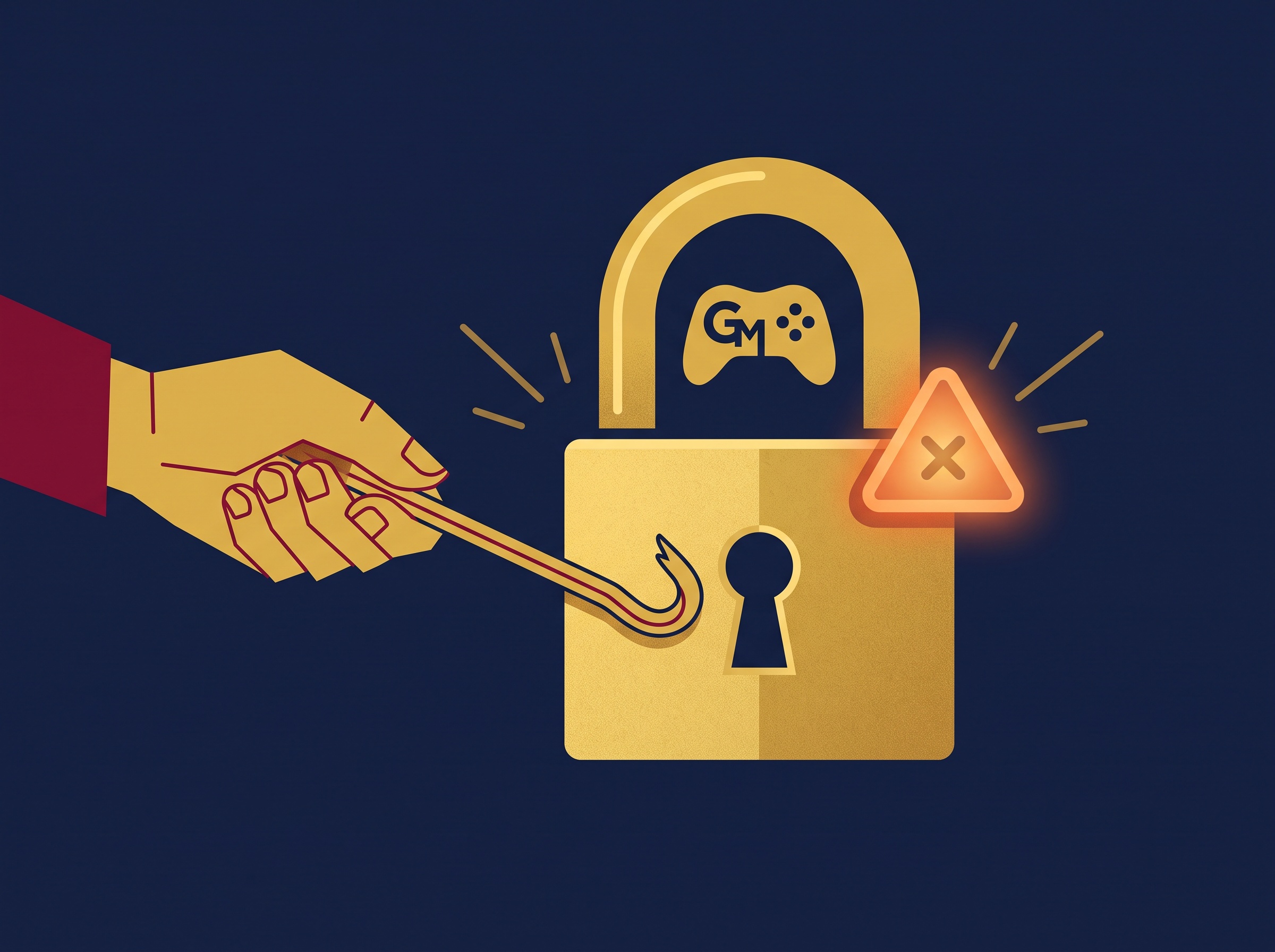
This one catches technically skilled modders off guard, so read it twice. U.S. copyright law has a separate rule — Section 1201 of the DMCA — that makes it illegal to circumvent technological protection measures (DRM, copy protection, encryption) that control access to a copyrighted work. It’s a distinct offense from copying.
Why it matters for modding: if making your mod requires cracking the game’s copy protection, defeating its DRM, or decrypting protected files, you can violate anti-circumvention law even if the mod itself would otherwise be fine. The act of breaking the lock is the problem, separate from what you do afterward. There are narrow exemptions the Copyright Office reviews periodically, but they’re limited and technical — don’t assume one covers you. If your mod pipeline depends on defeating protection, that’s a bright red flag worth real caution.
Making Money From Mods: Where Tolerance Ends
If you remember one thing, remember this: the fastest way to turn a tolerated mod into an enforced one is to charge for it. The risk climbs steeply as money enters:
- Lowest risk: free mods shared through the community, requiring players to own the base game. This is what most studios quietly permit.
- Grayer: donations, Patreon, or “early access” tiers for your mod. Some communities and EULAs tolerate donations; others treat any monetization of derivative content as off-limits. Check the specific game’s rules — and the platform’s.
- Highest risk: selling mods outright, or monetizing mods of a game whose terms forbid commercial use. Now you’re profiting from the studio’s IP, which is the thing owners reliably act on — and it also weakens any fair-use argument, since commercial use and market harm both cut against you.
Official paid-mod programs (like curated in-game marketplaces) exist precisely because studios want to control — and share in — that revenue. Going around them with unofficial paid mods is where cease-and-desist letters cluster.
Trademark and “Looking Official”
Copyright isn’t the only law in play. Trademark protects a game’s name, logo, and branding. Even where a studio tolerates your mod, naming your project or storefront so it looks officially endorsed — slapping the franchise logo on it, calling it an “official” expansion, or using the brand to sell — can trigger a separate trademark claim. Studios are legally pressured to police their marks, so implying a partnership that doesn’t exist is one of the quickest ways to get a letter. Name your mod as clearly unofficial and fan-made, and never use the brand as if it blesses your work.
When Enforcement Comes — and Who Actually Sends It
Enforcement is usually not a courtroom. The common sequence is a DMCA takedown to the host (Nexus Mods, Steam Workshop, GitHub, ModDB) that pulls your files, or a cease-and-desist letter telling you to stop. Some publishers are famously aggressive — certain companies routinely take down fan projects and mods that touch their franchises — while many others leave modders alone or actively support them. You often can’t predict which you’re dealing with until you look at their track record and their terms.
If a notice arrives, the sensible default is usually to comply: pull the mod, stop distributing it, and don’t argue copyright law over email. Lawsuits against individual hobbyist modders are rare; they’re generally reserved for commercial-scale operations or projects that redistribute whole games. If real money or a real accusation is on the line, that’s the moment to talk to an attorney — our guides on responding to a cease-and-desist and DMCA counter-notices cover the mechanics.

What This Means for You
You don’t have to stop modding — you have to mod with your eyes open. The practical playbook:
- Read the EULA and modding policy first. Official mod tools mean permission; a no-tampering clause means the opposite. This decides more than copyright does.
- Ship your own assets, not theirs. Require players to own the game; never bundle or redistribute the studio’s art, audio, or code.
- Don’t break the locks. If your mod needs you to defeat DRM or copy protection, you’ve stepped into anti-circumvention law — a separate, serious problem.
- Be careful with money. Free is the tolerated zone. Donations are gray. Selling mods — especially against a game’s terms — is where enforcement lives.
- Never look official. Label your work unofficial and fan-made; don’t use the franchise’s logo or name to promote or sell it.
- Comply with takedowns calmly. Pulling a mod is almost always cheaper than a fight. Bring in a lawyer only when the stakes are genuinely high.
And the long game: the skills you sharpen building levels, tools, and systems for someone else’s engine transfer directly to original games and assets you fully own. Modding is a superb place to learn — but the content you create from scratch is the only kind nobody can ever send you a takedown over, and the only kind you can build a real studio on.
This article is general information, not legal advice. Copyright, contract, anti-circumvention, and trademark rules interact in fact-specific ways, and fair use is decided case by case. If you’re facing a takedown or cease-and-desist, or building a business around modding, review the specifics with a qualified intellectual-property attorney.
IPSurge helps creators, developers, and small businesses understand and protect their intellectual property — the art, work, and ideas that make them unique.
Sources & further reading:
- Derivative Works — U.S. Copyright Office (Circular 14)
- More Information on Fair Use — U.S. Copyright Office
- Section 1201: Circumvention of Copyright Protection Systems — U.S. Copyright Office
- DMCA Takedown Notices (Section 512) — U.S. Copyright Office
- Trademark, Patent, or Copyright? — U.S. Patent and Trademark Office