Here’s something that surprises most creators and small-business owners: you probably already own a trademark. The moment you started selling goods or services under your brand name, the law quietly handed you a set of rights – no paperwork, no filing fee, no waiting. So if you already have rights for free, why does everyone keep telling you to register?
The honest answer is that free rights and strong rights are two very different things. This guide walks through exactly what your unregistered “common-law” trademark gets you, what federal registration adds on top, and how to tell which side of that line you actually need to be on.
The short version: you already have a trademark (sort of)
In the United States, trademark rights come from use, not from a certificate. As soon as you use a distinctive name, logo, or slogan to sell something and customers start associating it with you, you have what lawyers call common-law trademark rights. You didn’t have to file anything to get them.
Track the cases yourself
Every current AI-copyright ruling — and the ones still being fought — lives in our AI Copyright Ruling Tracker. Filter by your creator type to see, in plain language, how each case affects your rights.
Those rights are real. You can stop a local competitor who starts using a confusingly similar name after you did, and you can put the ™ symbol next to your brand today. For a hobby shop, a local service, or a brand-new venture still finding its feet, common-law rights are a legitimate starting point.
But they come with a ceiling – and most people don’t discover where that ceiling is until they bump their head on it.
Where common-law rights stop: geography
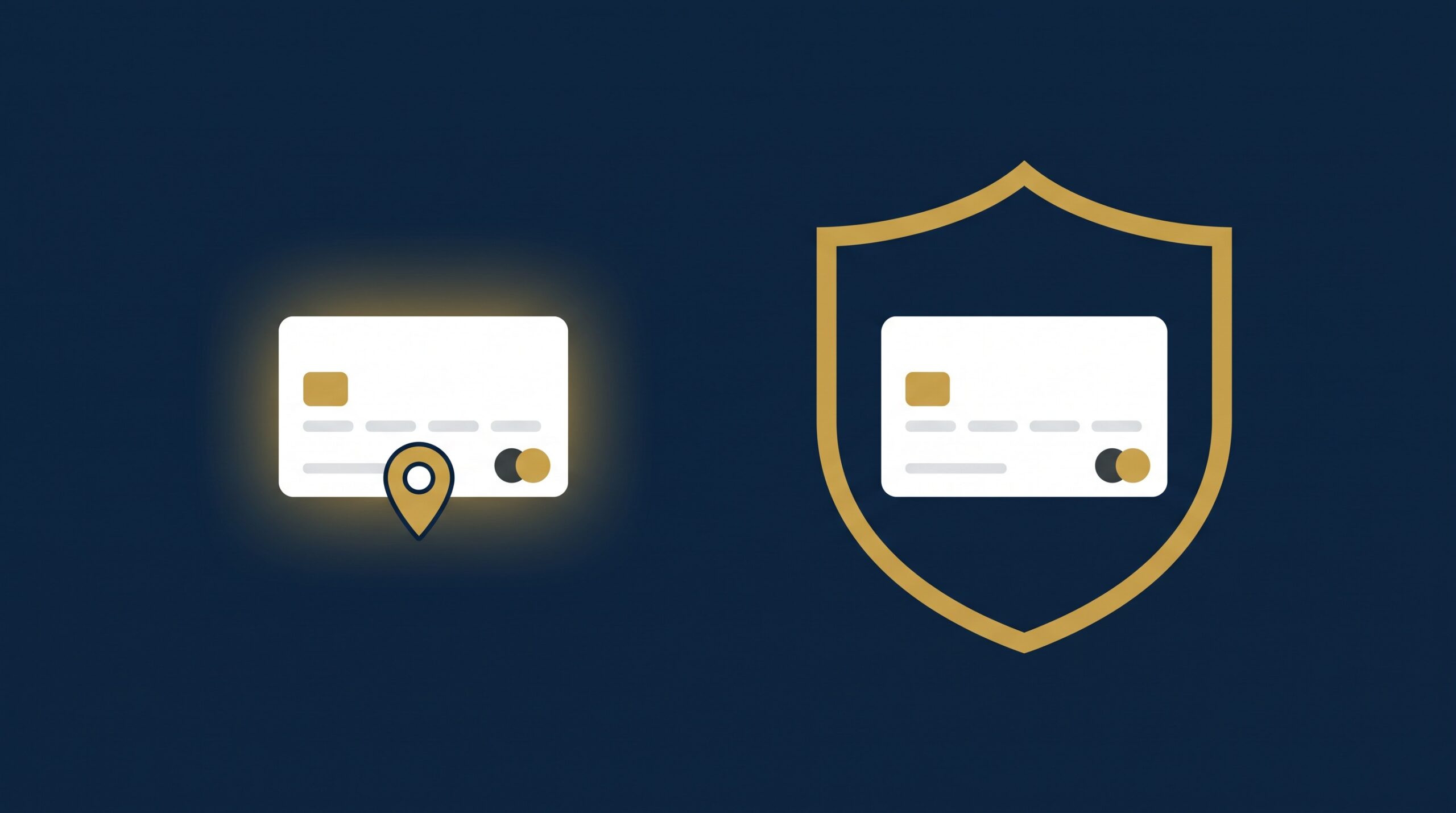
The catch with unregistered rights is that they only cover the geographic area where you actually do business and have built a reputation. Sell handmade candles at markets and online to customers concentrated in one metro area, and your common-law rights realistically reach about that far – not across the country.

That limitation creates a very specific nightmare. Imagine someone three states away starts using your exact brand name, in good faith, with no idea you exist. If neither of you is registered, they can often build up their own common-law rights in their region. Now you’re boxed in: you can’t expand into their territory, they can’t expand into yours, and the name you thought was uniquely yours is quietly being shared. Worse, if that other person registers federally before you do, they can gain nationwide priority and leave you frozen in only the small area you can prove you’d already reached.
What this means for you: common-law rights protect the patch of ground you’re standing on. The problem is that growth – a new city, a wholesale account, a viral moment that brings in customers everywhere – is exactly the thing that pushes you past the edge of that patch.
What federal registration actually adds
Registering with the U.S. Patent and Trademark Office (USPTO) doesn’t create your rights out of nothing – it upgrades the rights you already have from thin and local to strong and national. Here’s the concrete difference:
- Nationwide priority. A registration on the Principal Register gives you rights across the entire country, even in states you haven’t entered yet. It puts everyone on legal notice that the name is claimed, which blocks new copycats from claiming good-faith ignorance.
- A legal presumption you own it. Your registration certificate is treated as evidence of your ownership and the validity of your mark. In a dispute, that flips the burden of proof – the other side has to disprove your rights instead of you having to build them from scratch.
- The right to use the ® symbol. Only registered marks may legally use the circled R, and it’s a genuine deterrent – it signals you’ve done the work and are prepared to defend the name.
- Federal court and stronger remedies. Registration opens the door to federal court and to enhanced damages that are far harder to reach with a purely common-law claim.
- Border and platform muscle. You can record a registration with U.S. Customs and Border Protection to help block counterfeit imports, and marketplaces like Amazon’s Brand Registry and other platforms’ enforcement tools generally want a registration before they’ll act quickly on your behalf.
- A foundation to grow on. A U.S. registration can serve as the basis for filing in other countries, and after five years of continuous use your mark can become incontestable – one of the strongest positions in trademark law.
None of this is available from common-law rights alone. That’s the trade you’re weighing.
TM, SM, or ®: which symbol are you allowed to use?
The symbols cause a lot of confusion, so let’s make it simple – because using the wrong one can actually get you in trouble.

- ™ – use it with a brand for goods you sell. You can use it right now, registered or not. It signals “I’m claiming this as my trademark.”
- ℠ (SM) – the same idea for a service rather than a product. Also free to use without registration.
- ® – reserved exclusively for marks that are federally registered. Using the circled R before your registration issues isn’t just a technicality; it can be treated as a false claim and can hurt you in a later dispute.
What this means for you: if you haven’t registered, use ™ or SM freely and skip the ® entirely. The day your registration issues, switch to ® on that mark.
So do you actually need to register?
Common-law rights may be enough – for now – if you’re testing an idea, operating in one local area with no plans to expand, or using a name you’re not fully committed to keeping. There’s no shame in waiting until the brand proves itself.

But registration moves from “nice to have” to “do this soon” the moment any of these are true:
- Your brand name is central to how customers find and remember you – and losing it would genuinely hurt your income.
- You sell online, ship across state lines, or plan to expand beyond your home turf.
- You sell on Amazon, Etsy, or other platforms where enforcement tools favor registered brands.
- You’re raising money, licensing, franchising, or building something you’d eventually sell – buyers and investors treat a registered mark as a real asset.
- You’ve already spent real money building the name and can’t afford to be forced into a rebrand later.
The blunt version: common-law rights defend what you have; registration protects where you’re going. If your ambitions are bigger than your current zip code, unregistered rights will eventually feel like a fence that’s too short.
The middle path: state registration and timing
Federal isn’t your only option. Most states offer their own trademark registration, which is cheaper and faster but only covers that one state. It can be a reasonable step for a business that’s firmly local, though it doesn’t deliver the nationwide priority or the ® symbol that federal registration does.
Timing matters too. You don’t have to be selling yet to start a federal application – an “intent-to-use” filing lets you stake your claim before launch and hold your place in line while you finish the product. If you know the name is the one, filing early can be the difference between owning it cleanly and fighting for it later.
Your next steps
You don’t need to decide everything today, but you can get clear fast:
- Confirm you have common-law rights by making sure you’re actually using the name in commerce – and start using ™ or SM now.
- Run a quick clearance search in the free USPTO trademark database to check nobody else has already claimed something confusingly similar.
- Be honest about your reach: local-only and staying that way, or growing beyond it?
- If you’re growing – or the brand is central to your income – budget for a federal application and consider an intent-to-use filing if you haven’t launched.
- Calendar the decision. “We’ll register eventually” is how names get lost to someone who registered first.
Common-law rights are a real safety net, not a scam – but they’re a net with a known edge. For most creators and small businesses whose name is the business, federal registration is the upgrade that turns a name you use into a name you own everywhere.
This article is general information for creators and small-business owners, not legal advice. Whether common-law rights are enough can hinge on your specific facts and disputes; for a close call, a licensed trademark attorney is worth the consult.
IPSurge helps creators and small businesses understand and protect their intellectual property – the ideas, names, and work that make them unique.
Sources & further reading:
- USPTO – Trademark, patent, or copyright / basics
- USPTO – Protecting your trademark (benefits of federal registration)
- International Trademark Association – Trademark Symbols fact sheet