You needed a logo, so you hired a designer. You paid the invoice, they sent you the files, and now that logo is on your website, your packaging, your business cards. It’s yours — you bought it. Right?
Here’s the uncomfortable truth that catches thousands of founders and creators off guard: under U.S. copyright law, paying for creative work does not, by itself, make you the owner of it. In most freelance arrangements the person who made the thing still legally owns it — the logo, the code, the photos, the words — unless a specific piece of paperwork says otherwise. That piece of paperwork is called an assignment, and understanding it is the difference between owning an asset and merely borrowing one.

The Default Rule: The Creator Owns It
Copyright attaches the instant someone creates an original work, and it belongs to the author — the person who actually made it (the U.S. Copyright Office lays this out plainly in its Copyright Basics). When you hire an independent freelancer, they are the author. So by default, they own the copyright in what they produce for you, even after you’ve paid in full.
Track the cases yourself
Every current AI-copyright ruling — and the ones still being fought — lives in our AI Copyright Ruling Tracker. Filter by your creator type to see, in plain language, how each case affects your rights.
Paying for a deliverable and owning its copyright are two entirely separate things. Think of it like commissioning a painting: you can own the physical canvas hanging on your wall while the artist still owns the right to reproduce that image. With digital work the “canvas” is a file on your hard drive — you possess the file, but possession isn’t copyright. Without the right agreement, a freelancer could legally reuse, resell, or license the work they made for you to someone else, and you’d have little ground to object.
“Work Made for Hire” Isn’t the Magic Phrase You Think
At this point someone usually says, “That’s fine — my contract says it’s a work made for hire.” It’s the phrase everyone reaches for, and it’s widely misunderstood.
Work made for hire is a real legal concept, but it only applies in two narrow situations, spelled out in the Copyright Act’s definitions (17 U.S.C. § 101) and explained in the Copyright Office’s Works Made for Hire circular:
1. Work created by an employee within the scope of their job. If you have actual W-2 employees, what they make for the company is generally owned by the company automatically.
2. Certain commissioned works — but only if both of two conditions are met: the work falls into one of nine specific categories listed in the statute (things like contributions to a collective work, a translation, an instructional text, an atlas), and there’s a signed written agreement saying it’s a work made for hire.
Here’s why that matters so much for freelancers: the two most commonly commissioned things — a logo and software code — generally do not fit any of those nine categories. So slapping “this is a work made for hire” into a contract with your logo designer often accomplishes exactly nothing. The label doesn’t fit the work, the doctrine doesn’t apply, and ownership quietly stays with the freelancer.
The Real Fix: a Written Assignment of Rights
This is where assignment comes in — and it’s the tool that actually does the job. An assignment is a transfer of ownership: the creator signs over their copyright to you, in writing. Under U.S. law, a transfer of copyright ownership isn’t valid unless it’s in writing and signed by the owner of the rights being transferred. A handshake, an email thread, or an implied understanding won’t reliably cut it for full ownership.
The smart move that experienced businesses use is a belt-and-suspenders clause. A good IP clause says, in effect: “This work is a work made for hire; and to the extent it is not, the creator hereby assigns all right, title, and interest in it to the client.” The first half covers the cases where work-for-hire genuinely applies; the assignment half is the safety net that catches everything else — which, for most creative and technical work, is the part doing the real work.
Two details make a clause like this much stronger. First, it should be a present assignment (“hereby assigns”) rather than a promise to assign later (“agrees to assign”) — the present-tense version transfers the rights the moment the work exists, with no extra step required. Second, the freelancer should sign it before the work begins, as part of the engagement, not scrambled together after a dispute.
What You Actually Have Without One
If you paid a freelancer and never got a written assignment, you’re not necessarily left with nothing — but you have far less than you think. Courts will often find you have an implied license: permission to use the work for the purpose you commissioned it. If you paid for a website logo, you can almost certainly keep using it as your logo.
But an implied license is a thin, fragile thing compared to ownership. With only a license, you typically cannot:
• Register the copyright in your own name, or enforce it against copycats as the owner.
• Stop the freelancer from reusing or reselling the same work to a competitor.
• Freely modify it, build on it, or hand it to another vendor — the license may be limited to the original use.
• Include it cleanly as a company asset if you ever sell the business or take on investors, who will ask, pointedly, whether you actually own your own brand and code.
That last point is where it bites hardest. In due diligence for a sale or funding round, “we paid for it” is not the answer buyers want. “We have a signed assignment” is.

Don’t Forget Logos and Trademarks
A logo is a special case worth calling out, because it can carry two kinds of rights. The artwork itself is protected by copyright (owned by the designer by default). If you also use that logo as a brand identifier, it can become a trademark. You’ll want the designer to assign the copyright to you just like any other deliverable — otherwise you’re building a brand on artwork you don’t own. For registered trademarks, assignments of ownership are recorded separately with the U.S. Patent and Trademark Office. The principle is the same across the board: get the rights transferred to you in writing.
Already Paid With No Contract? How to Fix It
If you’re reading this with a sinking feeling about work you commissioned years ago, don’t panic — this is fixable, and it’s common.
The remedy is a confirmatory assignment: a short, standalone agreement where the freelancer confirms and assigns to you the rights in work they already did. Most freelancers will sign one without drama, especially for a long-past project — it costs them nothing and keeps the relationship good. The time to do it is now, while you’re still on good terms and the person is still reachable. Tracking down a designer from five years ago to sign paperwork during a business sale is a miserable, expensive scramble you can avoid with a two-minute email today.
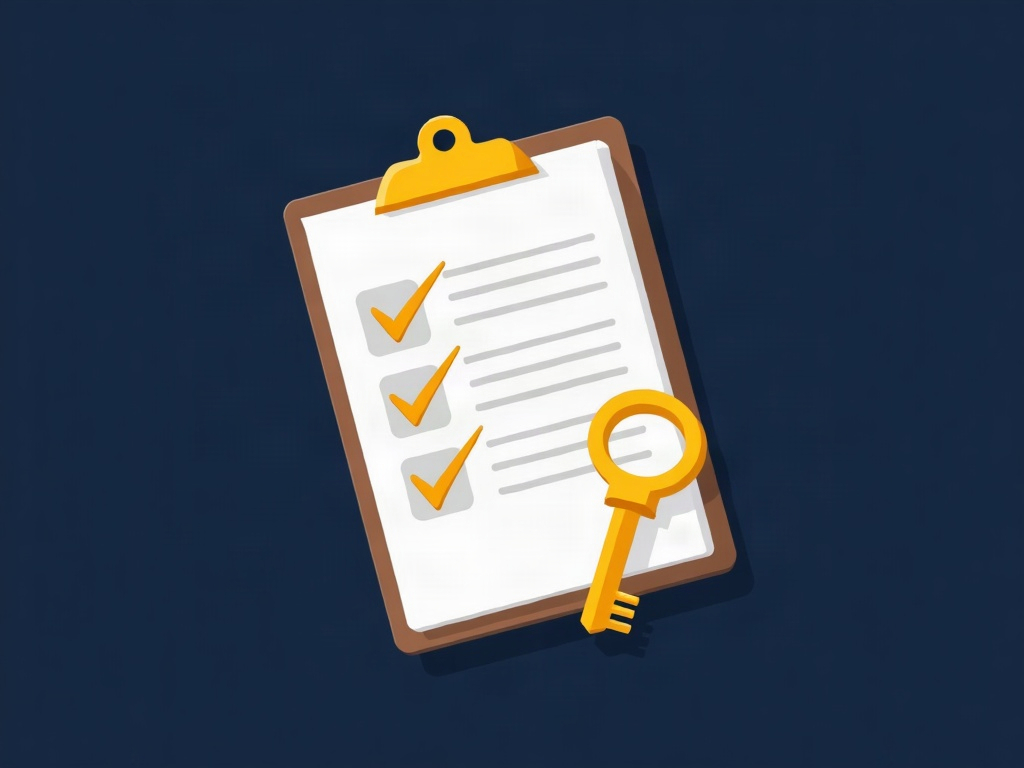
Going forward, the checklist is short:
1. Use a written agreement for every paid creative or technical engagement.
2. Include a present assignment of all IP, with a work-for-hire clause as backup.
3. Get it signed before the work starts.
4. For anything you already paid for without paperwork, send a confirmatory assignment.
The bottom line: paying a freelancer buys you their time and their file. It doesn’t automatically buy you the rights. One signed clause closes that gap — and turns the thing you paid for into something you genuinely own.
This article is general information for creators and business owners, not legal advice. Copyright and work-for-hire rules are governed by federal law and the specific wording of your agreements, and the right approach depends on your situation. For the sources behind this piece, see the U.S. Copyright Office materials and statute linked above, and consider a short consultation with a qualified IP attorney when real value is on the line.
Sources & further reading:
- U.S. Copyright Office — Works Made for Hire (Circular 30)
- U.S. Copyright Office — Copyright Basics (Circular 1)
- 17 U.S.C. § 101 — Definitions (incl. “work made for hire”)
- U.S. Copyright Act, Chapter 2 — Copyright Ownership and Transfer