You invented someone. A plucky mascot for your coffee brand, a comic-book hero with a signature look, an illustrated creature that’s become the face of your whole channel. People recognize it on sight, and that recognition is worth something. So the natural worry follows: if a competitor slaps a suspiciously similar character on their packaging, or a print-on-demand shop starts selling your creation on T-shirts, what actually protects you?
The good news is that characters can be protected. The catch is that not every character qualifies, and the protection usually comes from two kinds of intellectual property working together — not one. Here’s how character protection really works, in plain language, so you know what you own and how to defend it.
Can You Even Copyright a Character?
Copyright protects original creative expression fixed in a tangible form — and your character design, as you drew or wrote it, is expression. When you create an original character, copyright in that work exists automatically the moment it’s fixed (sketched, painted, written down). So in one sense, yes: your specific drawing of your mascot is covered the instant it exists.
Track the cases yourself
Every current AI-copyright ruling — and the ones still being fought — lives in our AI Copyright Ruling Tracker. Filter by your creator type to see, in plain language, how each case affects your rights.
But a character is more than a single picture. It’s a personality, a look, a set of traits that show up again and again. Courts protect that larger idea of a character only when it’s distinctive and well-developed enough to count as expression rather than a generic concept. That’s the line that decides whether you own “a character” or merely “one drawing.”
The “Distinctive Enough” Test
The core principle, built up over decades of copyright cases, is simple to state: the more specifically developed and recognizable your character is, the more protection it gets. A richly drawn character with a consistent appearance, name, personality, and recurring traits is protectable. A vague type is not.
A few practical rules of thumb:
- Visual characters are easier to protect than purely written ones. A mascot with a specific, consistent design — the shape, the colors, the costume, the face — has a lot of concrete expression to point to. A character described only in prose has to be especially well-delineated to qualify.
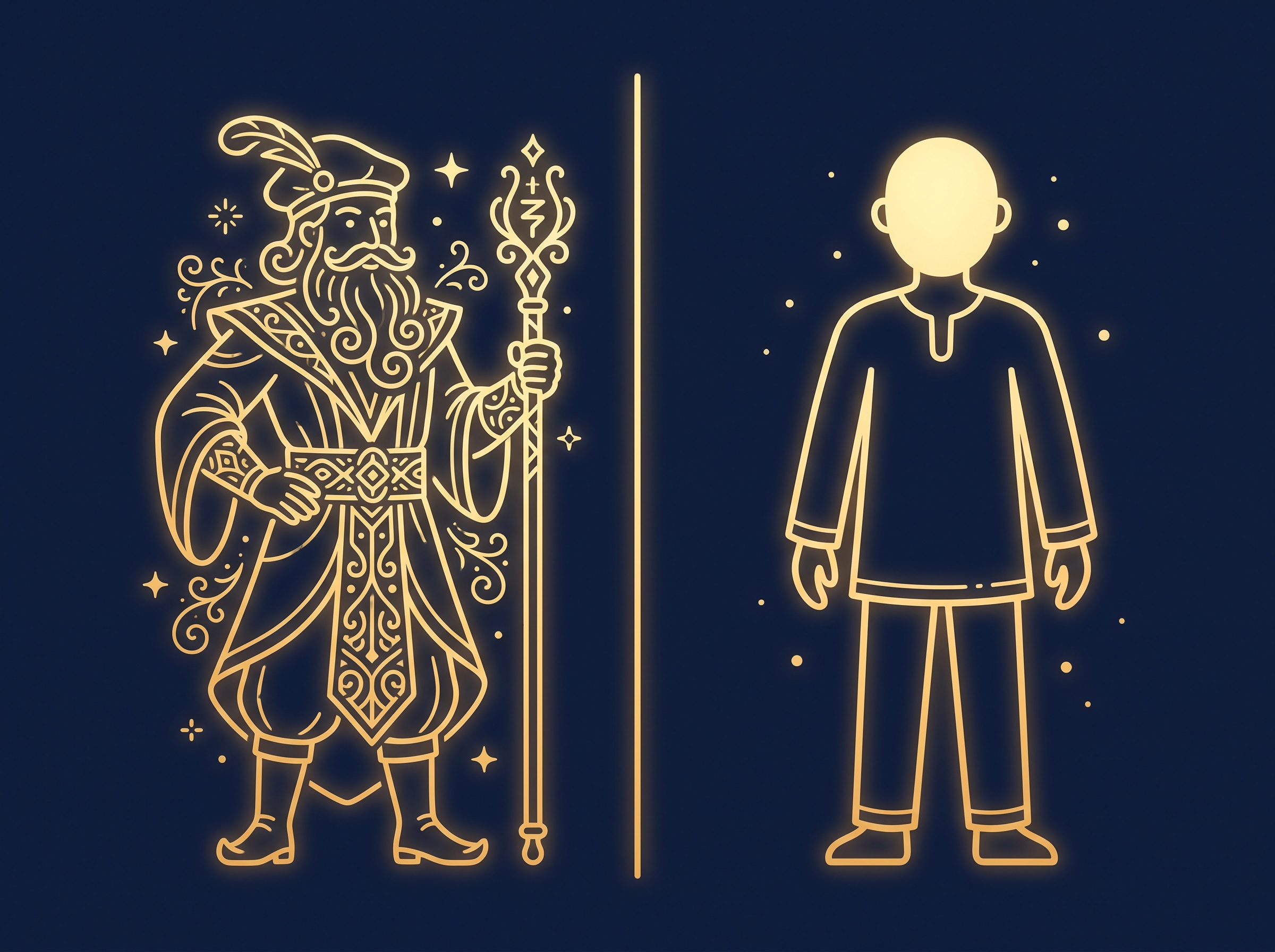
- Generic types aren’t yours. “A tough female detective,” “a wise old wizard,” “a cute round blob mascot” — those are ideas, and copyright never protects ideas or stock character types. You can’t lock down the concept; you can only protect the distinctive way you expressed it.
- Consistency builds protection. The more your character appears with the same recognizable identity across your work, the stronger your claim that it’s a developed, protectable character and not a one-off doodle.
Copyright vs. Trademark: You Probably Need Both
Here’s the part creators most often get wrong. Copyright and trademark protect different things about the same character, and a well-protected mascot usually relies on both.
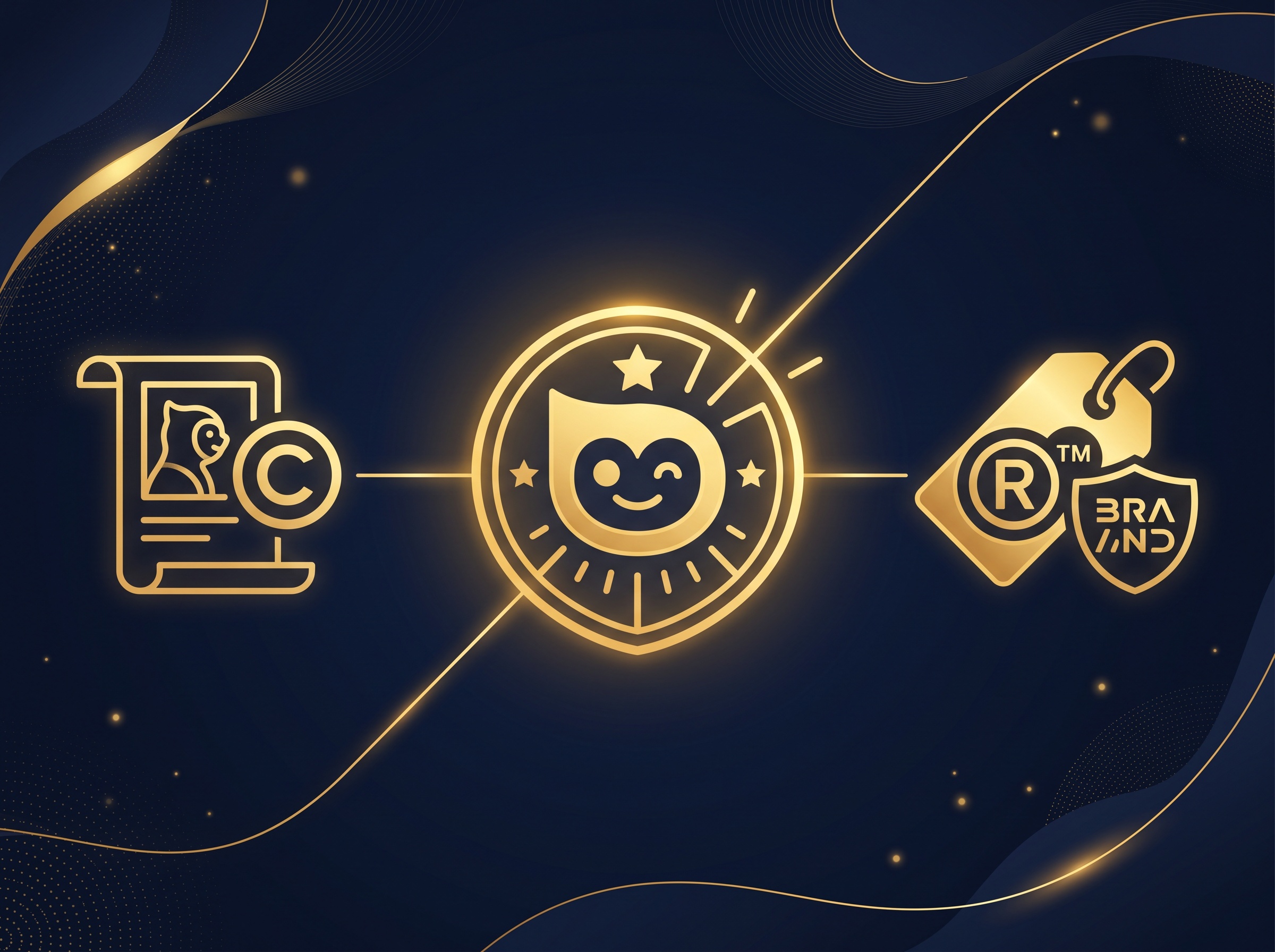
- Copyright covers the creative artwork — the actual drawing, design, and depiction of your character. It protects against someone copying the expression: reproducing your character or making something substantially similar to it.
- Trademark covers the character’s name, logo, and branding when they identify you as the source of goods or services. If customers see your mascot or its name and think “that’s that brand,” the name and look are functioning as a trademark — and registering that protects it in the marketplace.
Think of a famous brand mascot: the drawing of the mascot is protected by copyright, while the mascot’s name and its use to sell the product are protected by trademark. For your own character, the drawing is your copyright; the name you sell it under is a potential trademark. Relying on only one leaves a gap — copyright won’t stop a competitor from using a confusingly similar name, and trademark won’t stop someone from copying your artwork for unrelated uses.
Make Sure You Actually Own It
You can only protect — or license — what you genuinely own, and character ownership gets murky fast when more than one person touched the creation.
If you drew your character entirely yourself, you own the copyright outright. But if you hired a freelance illustrator to design your mascot, be careful: in general, the person who creates a work owns the copyright unless there’s a written agreement transferring it to you, or it legally qualifies as a work made for hire. Paying someone to draw your character does not automatically make you the copyright owner. You need a signed assignment or work-for-hire clause, in writing, or you may discover your own mascot is co-owned by the artist you hired.
The same goes for collaborators. If a friend helped develop the character’s personality or redesigned its look, they may be a joint author with their own ownership stake. Sort this out early, with clear written agreements, so your character’s ownership is clean before you build a brand (or a licensing deal) on top of it.
Registering Your Character
Copyright exists automatically, so why register? Because registration with the U.S. Copyright Office is what gives your protection real teeth. In the United States, you generally must have a registration before you can file an infringement lawsuit, and registering before (or promptly after) an infringement unlocks powerful remedies — including the possibility of statutory damages and attorneys’ fees — that are otherwise off the table.
For a visual character, you’d typically register the artwork as a visual arts work, submitting your character design as the deposit. A few practical tips:
- Register the definitive design of your character — the clear, canonical depiction — so there’s a dated, official record of what you created and when.
- Register meaningful new versions. If your character gets a significant redesign, consider registering that too, since it’s new expression.
- Keep your dated originals. Sketches, files with timestamps, and early published uses all help prove you created the character first.
Registration is inexpensive relative to what it protects, and it’s the single highest-leverage step most creators skip.
When Someone Copies Your Character
Say a copycat appears. How is infringement actually judged? For copyright, the question is whether the other work is substantially similar to the protectable, distinctive elements of your character — not whether it’s identical. Someone can’t escape liability just by changing a color or tweaking a pose if they’ve clearly lifted what makes your character recognizably yours.
Crucially, the comparison focuses on your original expression, not the generic building blocks. If your mascot is “a smiling round bird,” nobody infringes just by also drawing a smiling round bird — but copying your bird’s specific design, markings, outfit, and personality is another matter. The more distinctive your character, the wider the net of protection.
Your practical enforcement toolkit is the same one creators use for any copied work: a clear ownership record and registration, then options ranging from a platform takedown notice (for infringing listings or uploads) to a cease-and-desist letter, and ultimately a lawsuit if the stakes justify it. The stronger your paper trail — registration, dated originals, signed agreements with anyone who helped — the easier every one of those steps becomes.
What This Means for You
If you’ve created a character people recognize, treat it like the asset it is. Concretely: make your character distinctive and consistent so it clears the “well-developed enough” bar; nail down ownership in writing with any illustrator or collaborator before you rely on it; register the copyright in the artwork so you can actually enforce it; and consider a trademark on the name and branding if you’re using the character to sell something. Do those four things and a copycat has nowhere to stand — you’ll have clear proof of what you made, when you made it, and the legal footing to defend it.
This article is general information, not legal advice. Whether a particular character is protectable, who owns it, and how to enforce it all depend on your specific facts, and the law has real nuance here. For a character you’re building a business around, it’s worth having a qualified intellectual-property attorney review your ownership and registration strategy.
IPSurge helps creators, developers, and small businesses understand and protect their intellectual property — the names, work, and ideas that make them unique.
Sources & further reading:
- Copyright Basics (Circular 1) — U.S. Copyright Office
- Works Not Protected by Copyright (Circular 33) — U.S. Copyright Office
- Copyright Registration of Visual Art Works (Circular 40) — U.S. Copyright Office
- Trademark basics — USPTO
- Trademark, patent, or copyright? — USPTO