You can pour weeks into a product, photograph it beautifully, ship it on time – and still lose the money, or the listing, to something that has nothing to do with the quality of your work. A buyer disputes the charge with their bank and the payment vanishes from your account. Or a stranger files an intellectual-property complaint and your best-selling listing disappears overnight, sometimes with a strike on your shop.
Both of these hit sellers who did nothing wrong, and both feel deeply unfair the first time they happen. This is the defensive playbook – how to protect the shop you already have. (If instead someone is copying you, that’s the offensive side, and we cover it in what to do when someone copies your brand on Etsy or Amazon.) “IP” here means intellectual property, and this is general information, not legal advice.

The two threats that hit sellers who did nothing wrong
Most seller advice is about growth: more traffic, better photos, higher conversion. This is about the two blindsides that can undo all of that in a day. The first is a money dispute – a buyer reverses a payment after you’ve already shipped. The second is a takedown – someone convinces the platform to pull your listing on IP grounds. They come from opposite directions, but the defense against both is the same discipline: keep records, know the rules, and respond fast with evidence instead of emotion.
Track the cases yourself
Every current AI-copyright ruling — and the ones still being fought — lives in our AI Copyright Ruling Tracker. Filter by your creator type to see, in plain language, how each case affects your rights.
Chargebacks: when a buyer’s bank claws the money back
A chargeback is different from a normal refund or a platform “case.” With a chargeback, the buyer skips you entirely and goes straight to their credit-card issuer or bank, asking them to reverse the charge. The money is pulled back out of your account – often with a fee on top – and you have to prove the transaction was legitimate to get it back. The three usual reasons are “item not received,” “item not as described,” and true fraud (“I didn’t authorize this”).
On Etsy specifically, there’s an important wrinkle: under Etsy’s Cases Policy, a buyer can use only one method of dispute – if they’ve filed a chargeback with their card company, they can’t also open a case on Etsy. And Etsy’s Purchase Protection program can cover up to $250 per eligible order (including shipping and taxes), even if the order was worth more – but only if you followed the program’s rules, and it is explicitly not insurance. It’s a safety net with holes, not a guarantee.
How to prevent – and win – a chargeback
The good news: most chargebacks are winnable, and many are preventable, if you build the habits before a dispute ever lands.
- Ship with tracking, always. Delivery confirmation defeats “item not received” outright. For higher-value orders, add signature confirmation. Proof of delivery to the buyer’s address is the single strongest piece of evidence you can hold.
- Photograph and describe honestly. Accurate photos, measurements, and materials in the listing kill “not as described” disputes. Keep your original listing photos – they’re your evidence later.
- Keep every conversation on the platform. If a buyer approves a custom order or agrees to a variation, get it in the on-platform messages. Off-platform chats usually don’t count toward your protection.
- Respond before the deadline. Chargebacks have tight response windows. When one lands, upload everything: tracking, delivery proof, message logs, the listing description, and photos.
The hardest category is genuine fraud – a stolen card used to buy from you. You often lose those even when you did everything right, which is exactly why proof of delivery to the address on file, and staying inside your platform’s protection program, matters so much.

When your own listing gets taken down
Now the flip side. Filing a takedown against a copycat is one thing; being on the receiving end is another, and it’s far more common than sellers expect. A competitor, a brand owner, or sometimes an outright troll files a copyright or trademark complaint against your listing, and the platform removes it first and asks questions later. That isn’t the platform being lazy – it’s how they keep their legal “safe harbor” under the DMCA, which protects them as long as they act quickly on complaints.
Sometimes the complaint is legitimate: maybe you used a licensed cartoon character, a trademarked phrase, or a stock photo you didn’t actually license. Sometimes it’s baseless – a competitor weaponizing the report button, or a brand overreaching on a word it doesn’t really own. Before you react, you have to figure out which kind you’re dealing with, because the right move is completely different for each.
How to fight a bad-faith or mistaken takedown
Start with an honest audit: did you actually infringe? If you used someone else’s art, photo, character, or protected brand name, the smart move is to fix the listing, not fight – filing a false challenge only makes things worse. But if the complaint is wrong, you have real tools.
For a copyright complaint under the DMCA, you can file a counter-notice. Under Section 512(g), a valid counter-notification – which you sign under penalty of perjury – forces the platform to restore your material in not less than 10 and not more than 14 business days, unless the person who complained files an actual lawsuit against you in that window. We walk through the process in what to do if you’re falsely accused with a DMCA counter-notice, and the mechanics of the notice itself in our DMCA takedown guide.
Two cautions. First, a counter-notice is a sworn legal statement – don’t file one if you actually infringed, because it invites the exact lawsuit you want to avoid. Second, trademark complaints don’t use the DMCA and have no counter-notice; you resolve those through the platform’s own dispute process, usually by showing your use is different, descriptive, or otherwise non-infringing. Document everything, respond through official seller support channels, and for repeat or high-value fights, talk to an IP attorney.
Your seller-protection routine
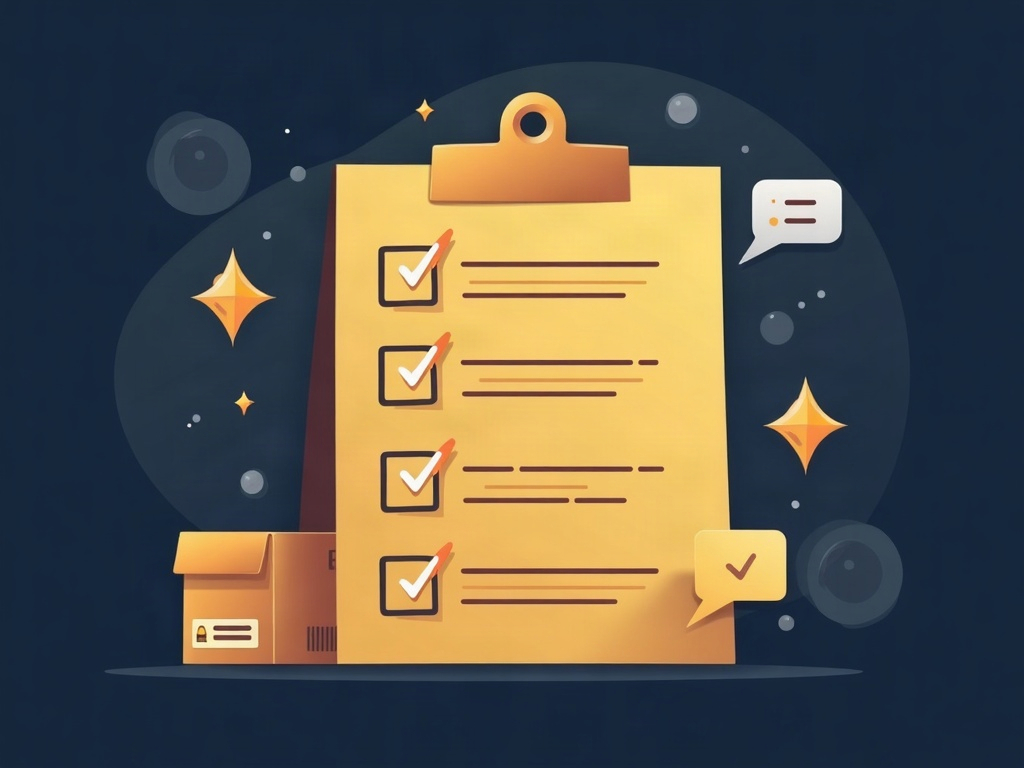
You can’t prevent every dispute or every bogus complaint. What you can do is be the seller who has the receipts when one lands. Build this into how you run the shop:
- Ship tracked and keep the proof. Delivery confirmation wins the majority of payment disputes on its own.
- Describe and photograph honestly, and keep the originals. It closes the door on “not as described” and gives you evidence later.
- Keep every buyer conversation on-platform. If it isn’t in the platform’s messages, your protection program may not count it.
- Know your platform’s protection and its limits. On Etsy that’s up to $250 per eligible order, following the rules, and it’s not insurance – budget accordingly.
- Only list what you have the rights to. The cheapest takedown defense is not infringing: watch stock photos, fonts, characters, and brand names you don’t own.
- If you’re hit, check merit first, then pick the right tool. A DMCA counter-notice for a wrongful copyright claim; the platform’s dispute process for trademark; a fix-and-relist if the complaint was actually valid.
Handmade selling rewards the makers who treat the boring parts – shipping proof, honest listings, clean records – as seriously as the craft itself. Chargebacks and takedowns are the two moments when that paperwork pays for itself. You won’t dodge every one, but with the right routine you’ll turn most of them from a gut-punch into a form you fill out and win.
This article is general information about intellectual property and selling online, not legal advice. Platform policies and dispute rules change, and the right response depends on your facts – if real money or your shop’s standing is on the line, check the current policy and consider talking to a qualified attorney.
Sources & further reading:
- Etsy Help – What is Etsy’s Purchase Protection for Sellers? (up to $250 per eligible order)
- Etsy – Cases Policy (a buyer who files a chargeback cannot also open a case)
- U.S. Copyright Office – The DMCA and Section 512 (notice, counter-notification, safe harbor)
- Electronic Frontier Foundation – How to Respond to a DMCA Takedown (counter-notice basics)
- Etsy – Intellectual Property Policy (how IP complaints and removals work)