There’s a specific kind of stomach-drop that only happens to people who build something. You type your own brand name into Etsy or Amazon’s search bar – maybe just to see where you rank – and there it is: another shop selling under your name, or a listing riding on the reputation you spent months building. Sometimes it’s a lazy knockoff. Sometimes it’s close enough that even you have to look twice.
The good news is that both platforms have real, free machinery for exactly this – and you usually don’t need a lawyer to pull the first lever. The bad news is that people torch their own case by firing off an emotional message to the copycat, or by reporting the wrong thing through the wrong channel. Here’s the calm, ordered way to handle it.
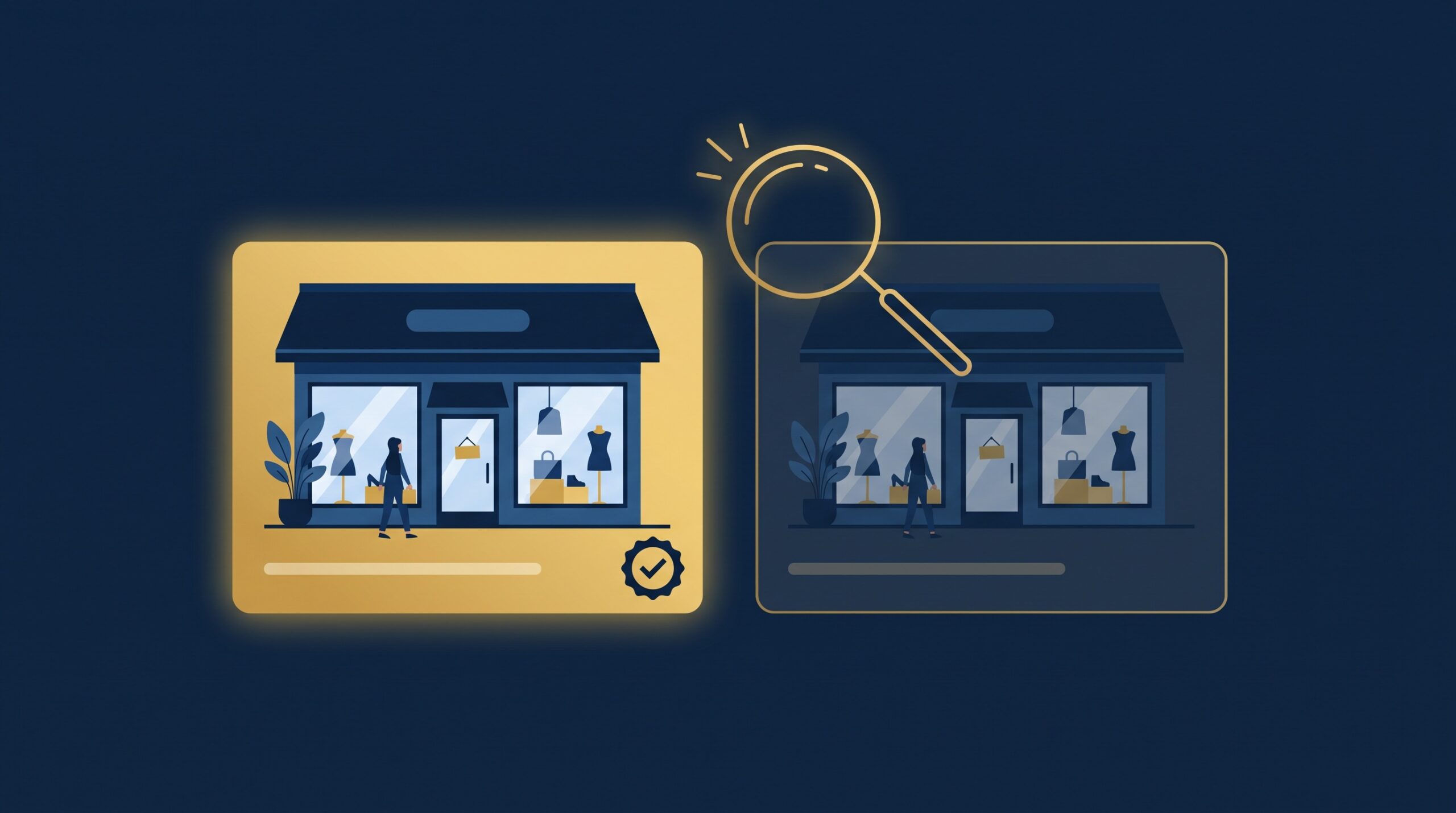
Step 1: Figure out what they actually copied
Before you report anything, answer one question, because it changes which tool you’ll use: did they copy your NAME, or did they copy your WORK?
Track the cases yourself
Every current AI-copyright ruling — and the ones still being fought — lives in our AI Copyright Ruling Tracker. Filter by your creator type to see, in plain language, how each case affects your rights.
- They’re using your brand name, shop name, or logo to sell their own stuff – that’s a trademark issue. It’s about customer confusion: shoppers think they’re buying from you.
- They lifted your actual product photos, descriptions, or original designs – that’s a copyright issue. It’s about them copying the creative work itself.
Plenty of copycats do both at once, and that’s fine – you can report both. But naming the problem correctly matters, because the platforms route trademark and copyright complaints through different forms, and picking the right lane makes your report faster and far more credible.

Step 2: Build your evidence file before you touch a form
Reports get actioned when they’re specific and get ignored when they’re vague. Spend fifteen minutes assembling a small file before you report, so you can paste everything in at once:
- Screenshots of the infringing shop or listing – the copycat’s name/logo, the product page, and anything that shows they’re trading on your identity.
- The exact URLs of the offending listings or storefront. On Amazon, grab the ASIN (the product ID in the listing URL); on Etsy, grab the listing ID or shop URL.
- Proof of your rights – your trademark registration number and jurisdiction (e.g. USPTO) if you have one, or evidence you’ve been using the name in commerce (your store, first-sale dates, marketing) if you don’t.
- Dates – when you first used the name, and when you spotted the copycat.

A word of caution that saves people real grief: don’t message the copycat first. A heated DM tips them off, gives them time to change tactics, and can be used against you later. Let the platform’s process do the talking.
Step 3: Report it on Amazon
Amazon gives you two paths, depending on whether you’ve registered your trademark:
The public route (no registration required to file): anyone who owns a right can use Amazon’s Report Infringement form at amazon.com/report/infringement. You select the type of violation (trademark, copyright, or patent), identify the offending ASINs, and provide your proof. This is the front door for most sellers and it’s free.
The powerful route (needs a registered trademark): if you enroll in Amazon Brand Registry – which requires an active registered trademark – you unlock the Report a Violation tool. It lets you search Amazon’s catalog for infringements, bulk-report them, and generally get taken more seriously by Amazon’s systems. Brand Registry is the single biggest upgrade you can make to your enforcement position on Amazon, which is a strong argument for registering your mark if the brand is central to your income.
What this means for you: you can act today with the public form even without a registration. But if copycats are a recurring problem, registering your trademark and enrolling in Brand Registry turns a one-off complaint into an ongoing, catalog-wide defense.
Step 4: Report it on Etsy
Etsy runs its own reporting machinery, and it splits by what you’re reporting:
- For infringing listings – a product that copies your work or uses your brand – use Etsy’s Reporting Portal. It’s the fastest, most direct way to flag a specific item to Etsy and its designated agent.
- For a copycat shop name, username, or video – where the identity is the problem rather than one product – Etsy directs you to its separate Reporting Form (linked from Etsy’s Intellectual Property Policy at etsy.com/legal/ip).
Two rules Etsy enforces strictly: only the rights owner or someone authorized by the owner can file a report, and your notice needs to identify the specific work and listing clearly. Etsy handles copyright complaints under the DMCA and trademark complaints under its IP policy – so, again, naming the right type of infringement matters.
Step 5: What if you DON’T have a registered trademark?
Most creators asking this question haven’t registered anything yet – and you still have options. Two of them, in fact:
- Lean on the copyright angle. Even without a trademark, you almost certainly hold copyright in your own product photos and original designs automatically. If the copycat lifted those, you can report copyright infringement right now – no registration needed to file the platform complaint.
- Use your common-law trademark rights. In the U.S., simply using a distinctive brand name in commerce gives you limited “common-law” rights in your market. The platform forms let you assert unregistered rights, though a registration makes any claim dramatically stronger and is what unlocks Amazon Brand Registry.
What this means for you: a copycat incident is usually the wake-up call to finally register the name. It’s the difference between a report the platform might action and one it takes as authoritative – and it’s cheaper than the sales you’ll lose to confusion over time.
Step 6: Don’t overreach – false reports can backfire
Enforcement cuts both ways, so aim carefully. A few guardrails:
- Only report genuine infringement. Selling a similar product isn’t infringement – competition is legal. It has to be your protected name, logo, images, or design.
- Expect a counter-notice. The other seller can dispute your report. If they do, the platform may restore the listing unless you take further action, sometimes including a lawsuit. Keep your evidence.
- Bad-faith or knowingly false takedowns carry real risk. Under the DMCA and platform policies, filing a report you know to be false can expose you to liability. Report what you can honestly stand behind.
What to expect, and when to escalate
After you file, the platform reviews the report and – if it agrees – removes the listing or shop, usually within days, though timelines vary. Sometimes the copycat vanishes quietly; sometimes they counter-notice or simply pop back up under a new name. Persistence is part of the job.

Escalate in order. If platform reports aren’t holding – a repeat offender, a large-scale counterfeiter, or someone who files a counter-notice – the next rung is a cease-and-desist letter (often enough on its own), and above that, an IP attorney, especially if real money is on the line or you don’t yet have a registration to lean on. You don’t have to start at the top; you just have to know the ladder exists.
Your next steps
- Decide what was copied: your name/logo (trademark) or your images/designs (copyright) – or both.
- Build the evidence file: screenshots, listing URLs, ASINs or Etsy listing IDs, proof of your rights, and dates.
- File on the right channel: Amazon’s Report Infringement form (or Brand Registry’s Report a Violation tool if enrolled), or Etsy’s Reporting Portal / Reporting Form.
- Don’t tip off the copycat, and don’t over-report things that are merely similar.
- If it recurs, register your trademark, and escalate to a cease-and-desist or an attorney.
Finding a copycat is genuinely rattling, but it’s also a backhanded compliment: nobody bothers copying a brand that isn’t working. The platforms built these tools because this happens constantly – so use them calmly, document everything, and let the process do what it’s designed to do.
This article is general information for creators and small-business owners, not legal advice. Whether a specific report will succeed – and whether registration or litigation is worth it – depends on your facts; for a persistent or high-stakes copycat, a licensed IP attorney is worth the consult.
IPSurge helps creators and small businesses understand and protect their intellectual property – the ideas, names, and work that make them unique.
Sources & further reading:
- Amazon – Report Infringement form
- Amazon Brand Registry
- Etsy – Intellectual Property Policy (How to Report)
- USPTO – Protecting your trademark / enforcement basics