Not long ago, seeing was believing. Now a stranger can take a handful of photos from your Instagram, a few seconds of you talking on a livestream, and produce a video where “you” say, do, or endorse something that never happened. It can look astonishingly real. And the moment it exists, the question lands hard: can someone legally use my face or voice like that — and if not, what can I actually do?
The reassuring part is that you are not a bystander to your own likeness. Even though almost no law was written with today’s AI in mind, several older rights fit deepfakes surprisingly well — and in 2025 a major new federal law arrived aimed squarely at the worst abuses. Here’s the plain-language map, built for regular people, not just celebrities.
What a deepfake actually is (and why “it’s fake” isn’t the end of it)
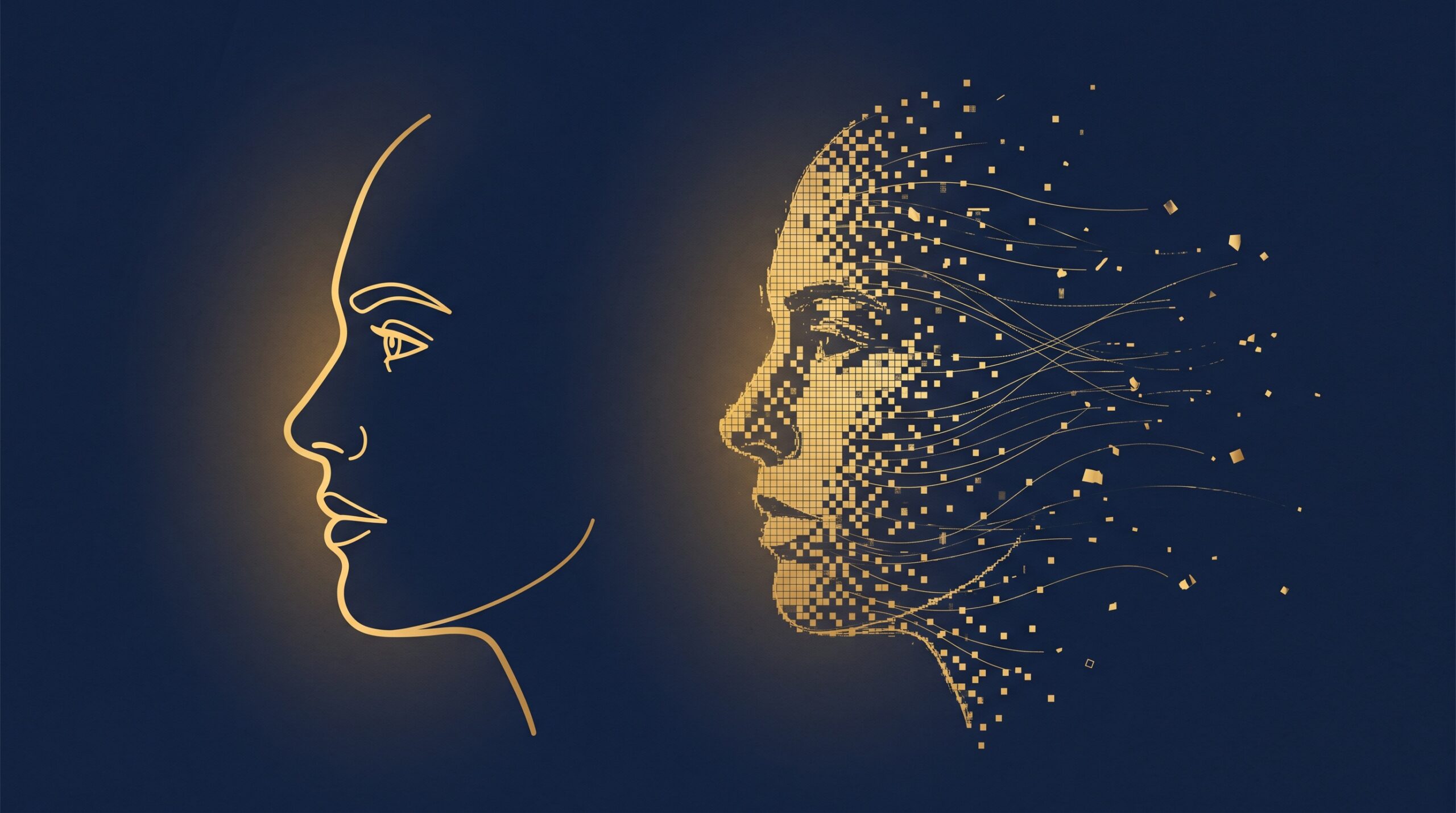
A deepfake is synthetic media — an image, video, or audio clip — generated or altered by AI to depict a real person doing or saying something they didn’t. Face swaps, lip-syncs, cloned voices, fully fabricated “photos”: all deepfakes.
Track the cases yourself
Every current AI-copyright ruling — and the ones still being fought — lives in our AI Copyright Ruling Tracker. Filter by your creator type to see, in plain language, how each case affects your rights.
Here’s the trap people fall into: they assume that because it’s fake, the law shrugs. The opposite is true. The law rarely cares whether the media is “real” — it cares about the harm and the use. A convincing fake that damages your reputation, hijacks your identity for profit, or violates your privacy can trigger the same rights a real recording would. The synthetic part often makes the case stronger, not weaker.
The core question: do you own your face and voice?
The single most important tool here is the right of publicity — your right to control the commercial use of your identity: your name, image, and voice. It’s a state-law right in the U.S., and it’s the backbone of most likeness disputes.
The rule in plain terms: if someone uses your recognizable face or voice to sell, promote, or profit from something without your permission, that’s a violation — even if every pixel was AI-generated. A fake ad where “you” endorse a supplement, a synthetic “testimonial,” a paid deepfake of your likeness on a product page — all squarely in publicity-rights territory. Decades of “sound-alike” and “look-alike” cases established that you don’t need them to use your literal photo or recording; a deliberate imitation of your identity for commercial gain is enough. (We went deep on the voice side of this in our guide to AI voice cloning laws.)
One important limit: the right of publicity is strongest against commercial uses. A deepfake made purely to humiliate you, with no product attached, may need a different tool — which brings us to the next two.

When a deepfake crosses into defamation or “false light”
If a fake doesn’t sell anything but instead makes people believe something false and damaging about you, two other rights come into play:
- Defamation. If a deepfake portrays you as saying or doing something untrue that harms your reputation — confessing to a crime, making a bigoted statement, appearing to behave unprofessionally — that can be defamation, the same as a false written accusation. The fabricated video is just the delivery method for the lie.
- False light. Recognized in many (not all) states, this covers being portrayed in a misleading way that a reasonable person would find highly offensive — even if it’s not strictly “defamatory.” A deepfake placing you at an event you’d never attend, or attributing beliefs you don’t hold, can fit here.
The practical takeaway: a deepfake that lies about you is treated like any other lie about you. The technology is new; the underlying wrong — spreading a damaging falsehood — is very old, and the law knows how to handle it.
Deepfake nudes and the TAKE IT DOWN Act
The most serious — and now most directly regulated — category is nonconsensual intimate imagery, including AI-generated fakes. This is where 2025 changed the landscape.
The TAKE IT DOWN Act (its full name is a mouthful: Tools to Address Known Exploitation by Immobilizing Technological Deepfakes on Websites and Networks Act) was passed by Congress on April 28, 2025 and signed into law on May 19, 2025. It does two big things:
- It’s now a federal crime to knowingly publish nonconsensual intimate images of a real, identifiable person — and this explicitly includes realistic AI-generated fakes, not just real photos.
- It forces platforms to act fast. “Covered platforms” (major social apps and sites that host user content) must build a notice-and-removal process and, once you send a valid request, take the image down within 48 hours — and make a reasonable effort to remove identical copies. Platforms have until May 19, 2026 to have this system running, and the FTC enforces it.
If you’ve ever heard that victims of fake explicit images had “no recourse,” that’s no longer accurate. For this category specifically, you now have a criminal law behind you and a legal deadline on the platform hosting it.

The patchwork of state deepfake laws
On top of federal law, a fast-growing list of states has passed their own deepfake statutes. They generally cluster around three problem areas:
- Sexual deepfakes — many states now criminalize or allow you to sue over nonconsensual intimate fakes, sometimes with stronger remedies than federal law.
- Election deepfakes — numerous states restrict fabricated media of candidates near an election, or require clear “this is synthetic” disclosures.
- Voice and likeness cloning — laws like Tennessee’s ELVIS Act protect a person’s voice and image from unauthorized AI replication.
Because protections vary widely by state, where you live — and where the person who made the fake lives — matters. The trend line, though, is unmistakable: every legislative session adds more of these laws, not fewer. And the pending federal NO FAKES Act would create a nationwide right against unauthorized AI replicas of your voice and likeness, with obligations on the platforms that host them.
When using someone’s likeness IS legal
Not every synthetic use of a face is a violation — and it’s worth knowing the lines, both to protect yourself and to avoid crossing them:
- You consented. If you signed a release or agreed to a “digital replica” clause, that use may be permitted — which is exactly why you should read those clauses carefully before signing anything.
- Parody and satire. Commentary, comedy, and criticism get strong First Amendment protection. An obvious parody of a public figure is very different from a realistic fake designed to deceive.
- News and public interest. Genuine reporting and commentary about newsworthy people and events is generally protected.
The dividing line usually comes down to deception and harm. A clearly labeled joke is one thing; a realistic fake meant to trick people, sell something, or hurt someone is another entirely.
Found a deepfake of yourself? Your action plan
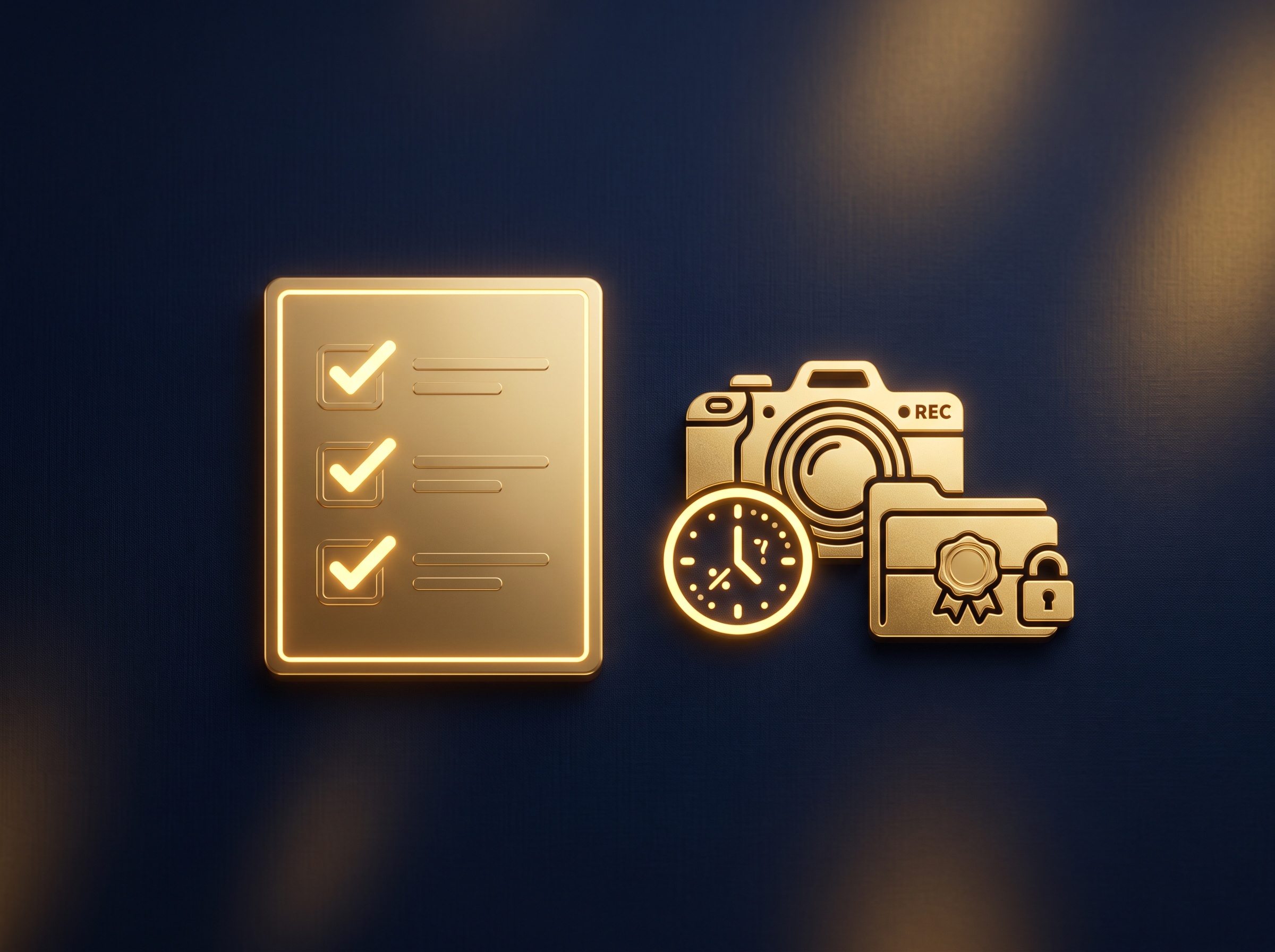
Discovering a fake of yourself is upsetting, but you have concrete moves. Work them in order:
- 1. Document everything first. Before it disappears, screenshot and save the content, the URL, the account behind it, and the date. Note where it’s spreading. This evidence file underpins every step that follows — don’t skip it in the rush to get it taken down.
- 2. Use the platform’s report tools. Major platforms now have policies against impersonation, nonconsensual intimate imagery, and AI fakes. Report it and cite the specific violation. For intimate fakes, invoke the TAKE IT DOWN Act’s notice-and-removal process by name.
- 3. Send a formal demand where appropriate. A cease-and-desist — citing your right of publicity, defamation, or the relevant state law — puts the creator and any commercial user on notice and builds a paper trail.
- 4. Escalate when the stakes justify it. If the fake is making money, damaging your reputation, or is sexual in nature, that’s when you talk to an attorney (IP, privacy, or media) or, for intimate imagery, contact law enforcement and resources like the Cyber Civil Rights Initiative.
The bottom line for your likeness
The technology to fake your face and voice got frighteningly good — but the idea that you’re powerless is outdated. Your identity is protected on several fronts at once: the right of publicity guards commercial use, defamation and false light cover fakes that lie about you, the TAKE IT DOWN Act criminalizes intimate deepfakes and forces fast removal, and a rising tide of state laws (plus the pending NO FAKES Act) is filling the gaps. The people who fare best are the ones who know these rights before they need them, keep clean records of their real presence online, and respond quickly and calmly when something surfaces. Your face and voice are yours — and the law is finally starting to say so out loud.
A light note: this is general information to help you understand your options, not legal advice. Deepfake, publicity, and privacy laws vary a lot by state and change quickly, so if a fake is costing you money, reputation, or safety, talk to a qualified attorney about your specific situation.
Sources & further reading:
- TAKE IT DOWN Act — S.146, 119th Congress (Congress.gov)
- Congressional Research Service — The TAKE IT DOWN Act: A Federal Law Prohibiting the Nonconsensual Publication of Intimate Images
- NO FAKES Act — Nurture Originals, Foster Art, and Keep Entertainment Safe Act (Congress.gov)