It started with selfies. Sometime after a major image tool learned to render pictures in that warm, hand-painted, wide-eyed look, half the internet turned their photos, their pets, and their wedding albums into scenes that felt lifted straight out of a beloved animated film. It was charming, it was everywhere — and then people started selling the results. Prints, stickers, custom portraits, merch.
Which raises the question every creator eventually asks: is this actually legal? Can you make a “Ghibli-style” AI image, and can you sell it? The honest answer is “mostly yes, with some real landmines,” and the difference between safe and sued comes down to one idea most people get wrong.
Copyright protects expression, not a style
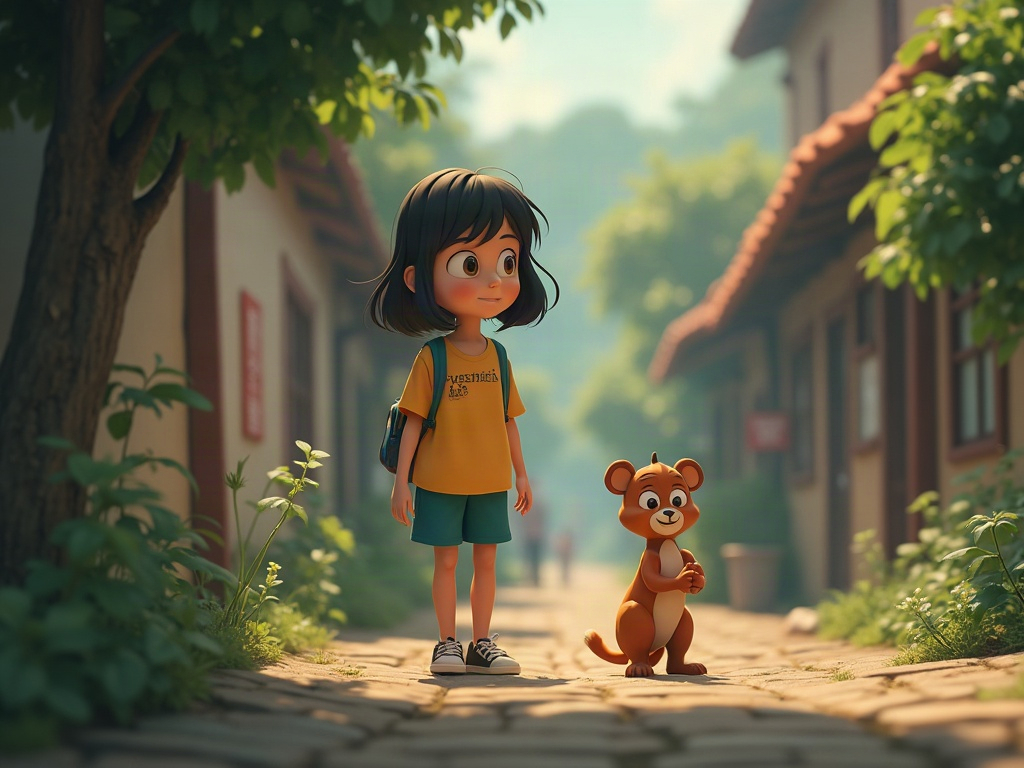
Here’s the principle that does most of the work: U.S. copyright protects specific creative expression — a particular drawing, a particular character, a particular frame of film. It does not protect a style, a technique, an aesthetic, or a “vibe.”
Track the cases yourself
Every current AI-copyright ruling — and the ones still being fought — lives in our AI Copyright Ruling Tracker. Filter by your creator type to see, in plain language, how each case affects your rights.
Nobody owns “soft watercolor backgrounds,” “lush pastoral landscapes,” or “big expressive eyes.” Artists have always been free to work in the manner of other artists — that’s how genres and movements exist at all. So an image that merely feels like a famous studio’s films — the palette, the softness, the mood — is generally not copyright infringement by itself. Copyright lawyers looking at the trend have largely agreed: imitating a look, on its own, is hard to sue over.
That’s the foundation of why the whole trend wasn’t instantly shut down. Style is the open part of the pool. The trouble starts when you swim past it.
Where it stops being legal: characters and specific scenes
The moment your “style” image includes an actual, recognizable character or a specific copyrighted scene, you’ve left style behind and stepped onto protected ground.
A signature forest spirit, a soot-black bathhouse ghost, a young witch on a broom — these are individually copyrighted characters. Reproducing them, even in your own hand and even through an AI prompt, can be infringement or an unauthorized derivative work. The tool doesn’t launder the copyright away; asking a machine to draw someone else’s protected character is legally a lot like drawing it yourself.
So the practical dividing line is:
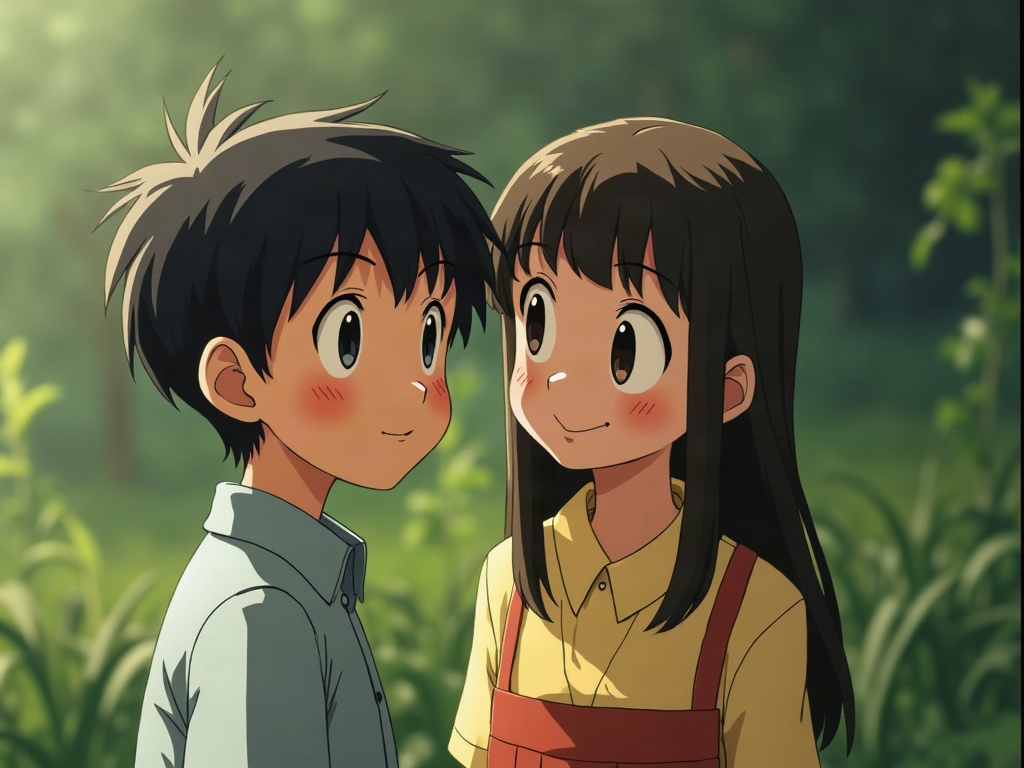
- Style-inspired, original content — your own scene, your own figures, in a soft painterly manner: generally the safer side.
- Recognizable characters or exact scenes from the films: the risky side, whether you drew them or generated them.
“In the style of” is very different from “featuring the characters of.” Keep your work on the first side of that sentence.
The trademark trap: don’t sell it under their name
Even when copyright doesn’t apply, trademark can. And this is where sellers get themselves into trouble without realizing it.
A studio’s name and logo are trademarks. If you market your images using that name — “Official Ghibli-style portraits,” “Ghibli art shop,” slapping the studio’s logo on your storefront — you’re not just borrowing a look anymore. You’re trading on their brand, and you risk implying an endorsement, licence, or affiliation that doesn’t exist. That’s the kind of consumer confusion trademark law exists to stop, and lawyers have specifically flagged this false-endorsement angle (in the U.S., the Lanham Act) as a studio’s strongest potential play against AI “Ghibli-fication.”
The fix is simple and cheap: describe your work honestly by its qualities — “whimsical hand-painted-style portrait,” “cozy anime-inspired landscape” — and never lean on a real studio’s name, marks, or characters to make the sale. Sell the art, not the association.
The ownership problem: it might not even be yours
Here’s the twist creators rarely see coming. Suppose you do everything right — original scene, no trademarks, pure style inspiration. You still hit a wall the moment you want to protect what you made.
Under current U.S. Copyright Office guidance, an image generated by AI from a text prompt generally has no human-authorship copyright, because a human didn’t create the actual expressive result — the machine translated the words into the picture. The Office refused registration for the AI-generated images in the well-known Zarya of the Dawn comic for exactly this reason, and courts have echoed that a work needs human authorship to be copyrighted at all.
Translation: your lawful, original, Ghibli-flavored AI image may be perfectly legal to sell — and simultaneously unprotectable. You can’t stop a competitor from reusing it, and the same tool can hand a stranger a near-identical output. You’re selling something you don’t really own. That’s not a dealbreaker for a one-off print, but it matters a lot if you’re trying to build a recognizable brand around the work.
The bigger fight happening in the background
All of this sits on top of an unsettled legal foundation. The AI models themselves were trained on enormous piles of images — including, almost certainly, copyrighted art — and whether that training is lawful is being fought out right now.
OpenAI, Stability AI, and Midjourney are all facing copyright lawsuits, including claims tied to generating images in famous studios’ styles. The AI companies argue their training is fair use; the artists disagree; most courts haven’t issued final rulings, so nobody can honestly promise you how it ends. Meanwhile the tools have added guardrails that sometimes refuse explicit “in the style of [named living artist/studio]” requests — a sign the companies themselves are hedging. And it’s worth remembering the human backdrop: Hayao Miyazaki has been famously, bluntly contemptuous of AI-generated animation. The law may permit style imitation, but that doesn’t make it warmly received.
What this means for you
If you want to make and sell Ghibli-style AI images without losing sleep, the playbook is genuinely straightforward:
- Stay style-inspired, not character-copying. Invent your own scenes and figures. The soft painterly look is fair game; someone else’s beloved characters are not.
- Never use the studio’s name, logo, or marks to sell. Don’t call it “Ghibli” anything on your listings. Describe the aesthetic in your own words and keep any implied endorsement out of it.
- Add real human authorship. Compose, edit, paint over, redraw, build original characters. The more genuine creative work you put in, the more of the final piece can be protectable — and the more it’s truly yours.
- Read your tool’s commercial-use terms. Your right to sell outputs is governed by the service’s licence and your subscription tier, which is a separate question from copyright.
- If exclusivity matters, commission a human. When you need art you can actually own and defend, a human artist — or heavy human reworking — is the reliable route.
Bottom line: making a Ghibli-style image is usually legal, and selling an original one usually is too — the style itself is nobody’s property. But the picture may not be yours to protect, copying real characters crosses into infringement, and using the studio’s name to sell invites a trademark headache. Keep it inspired-by, keep it original, keep their brand out of your storefront, and you’re on solid ground.
This is general information, not legal advice, and the law here is genuinely unsettled and moving fast — verify current details with copyright.gov and, for anything commercial or high-stakes, talk to an intellectual-property attorney before you build a business on it.
Sources & further reading:
- U.S. Copyright Office – Copyright and Artificial Intelligence (human-authorship guidance)
- U.S. Copyright Office – Registration Decision: Zarya of the Dawn (AI images not registrable)
- Futurism – Lawyer Says Studio Ghibli Could Take Legal Action Against OpenAI
- AOL / Business Insider – Studio Ghibli has few legal options to stop OpenAI from ripping off its style