Most creators think there are only two things you can do with the brand or catalog you built: keep grinding on it yourself, or sell it off. There’s a third path that quietly makes some of the best money in the business — licensing. You keep ownership of your intellectual property, and you let someone else use it to make and sell things, in exchange for a cut. Done right, it’s the closest thing to passive income that IP offers: you did the creative work once, and it keeps paying while a partner handles manufacturing, distribution, and sales.
Here’s the plain-language version of how brand licensing actually works — what you can license, how the money flows, the deal terms that decide whether it’s a good deal, and how to protect the reputation you spent years building.
Licensing vs. Selling: You Rent It, You Don’t Give It Away
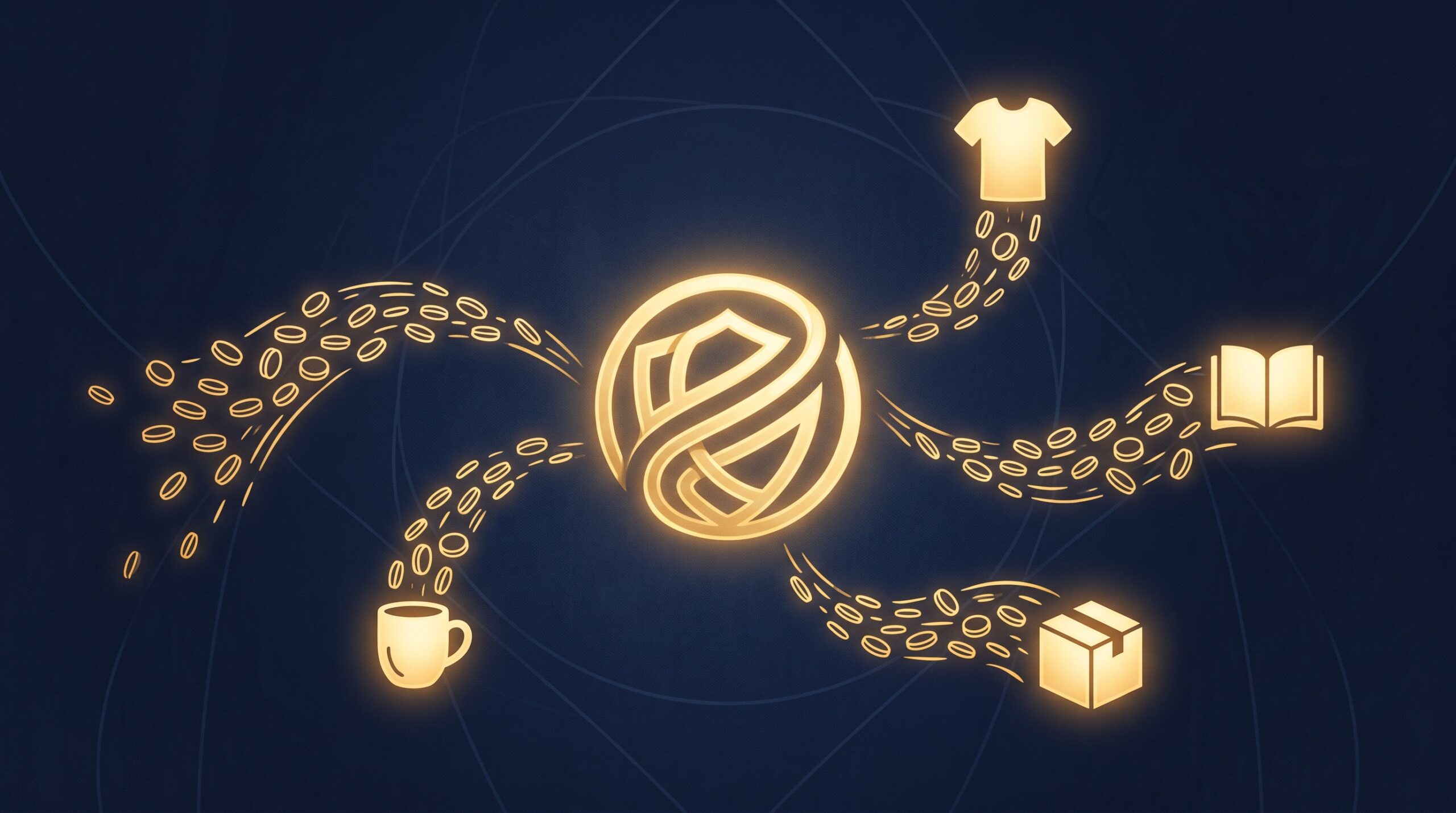
The single most important idea: licensing is renting, not selling. When you sell your IP, ownership leaves your hands for good — you get one lump sum and you’re done. When you license it, you stay the owner. You’re granting someone permission to use your brand, character, design, or catalog for a defined purpose, for a defined time, on defined terms. When the deal ends, all those rights snap back to you.
Track the cases yourself
Every current AI-copyright ruling — and the ones still being fought — lives in our AI Copyright Ruling Tracker. Filter by your creator type to see, in plain language, how each case affects your rights.
That distinction is why licensing can be so powerful for creators. You can license the same brand to different partners for different products — a clothing maker here, a mug printer there, a publisher for a book — and collect from all of them at once. Sell it, and you’ve cashed out exactly once. License it, and you’ve built an income stream.
What You Can Actually License
Almost any IP you own can be licensed. The usual candidates for creators and small brands:
- Trademarks — your brand name and logo, which a partner puts on their products (classic merchandising).
- Copyrights — your catalog of songs, illustrations, photos, writing, patterns, or designs.
- Characters and artwork — a mascot, an original character, or a signature visual style that fans recognize.
- Your name and likeness — for creators whose persona is the brand.
- Patents and processes, if you’ve invented something.
The thing that makes licensing valuable is recognition. A licensee is paying because your brand already means something to an audience — it lets them sell more, or charge more, than they could with a no-name product. The stronger and more protected your IP, the more leverage you have. A registered trademark, in particular, gives you a far firmer footing to license from than a name you’ve never registered.

How the Money Works: Royalties, Advances, and Minimums
Licensing income comes in a few standard shapes, and good deals often combine them:
- Royalties. The core of most deals — a percentage of sales the licensee pays you, typically calculated on their net wholesale revenue. Rates vary widely by industry and by how strong your brand is; the number is negotiable, not fixed by law.
- An advance. An upfront payment made against future royalties. You get paid before a single unit sells, and the licensee earns it back out of the royalties they’d otherwise owe you.
- Guaranteed minimums. A floor the licensee promises to pay whether or not they hit sales targets. This protects you from a partner who ties up your brand and then does nothing with it — if they underperform, you still get paid, and you can often terminate.
Two clauses make the money real rather than theoretical: audit rights (you can inspect their books to confirm they’re reporting sales honestly) and regular reporting (they send statements on a set schedule). Without them, you’re trusting a stranger’s math on your own income.
The Anatomy of a Licensing Deal
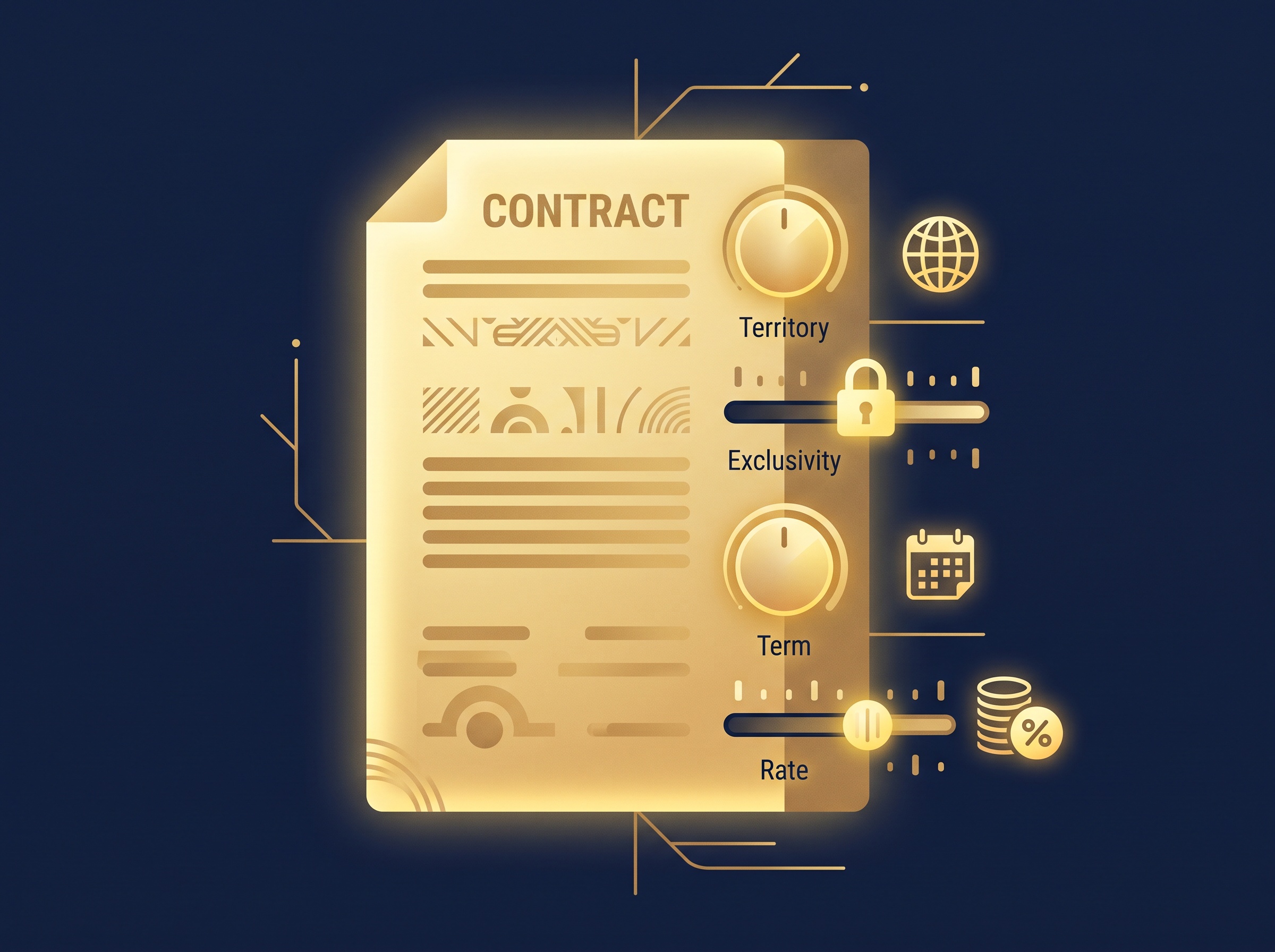
A license is defined by its limits — the narrower the grant, the more of it you keep to license elsewhere. The dials that matter:
- Scope / field of use. Exactly what they can make. “Apparel” doesn’t include mugs; “a hardcover book” doesn’t include an audiobook. Grant only what this partner will actually produce.
- Exclusive vs. non-exclusive. An exclusive license means no one else — not even you — can use the IP in that field during the term. Non-exclusive lets you sign multiple partners. Exclusivity is worth more, so charge for it, and never grant it broader than the category the partner is truly serving.
- Territory. Worldwide, or just one country or region? Keep unused territories free to license to others.
- Term. How long it lasts, plus any renewal conditions. Shorter terms with renewal-on-performance keep a lazy licensee from sitting on your brand.
Think of these as sliders. Every one you leave wide open is value you’ve given away for free; every one you keep tight is inventory you can still sell to someone else.
Finding and Vetting a Licensee
A license is a partnership, and the partner matters as much as the terms. A brand licensed to the wrong company can be actively damaged — shoddy products, bad service, and off-brand behavior all attach to your name in the customer’s mind.
Before you sign, vet the partner like you’re hiring them, because you effectively are:
- Can they actually make and distribute at quality and scale? Look at their existing products.
- Is their reputation and audience a fit for yours?
- Are they financially stable enough to pay royalties and honor minimums?
- Do they already respect IP, or do they have a history of disputes?
Inbound interest is one path; the other is proactively approaching companies that already sell to your audience but lack a brand like yours. Industry groups and trade shows exist specifically to connect brand owners with manufacturers looking for names to license.
Protecting Your Brand While Someone Else Uses It
Here’s a trap that catches creators who treat a license as “set it and forget it,” and it’s especially dangerous with trademarks. If you license your brand but exercise no control over the quality of what the licensee makes, courts can treat it as a naked license — and you can lose the trademark entirely. The law protects trademarks because they tell customers what to expect; abandon control over that consistency and the mark can be deemed abandoned.
So a real licensing agreement always includes quality-control and approval rights:
- The right to approve samples before products go to market, and to set quality standards.
- Rules for how your brand, logo, and colors may be displayed.
- The right to inspect and audit, and to terminate if standards or payments slip.
This isn’t just legal hygiene — it’s how you keep the reputation that made your brand licensable in the first place. Your name goes out on every unit; approval rights are how you make sure it goes out looking the way you want.
What This Means for You
Licensing is how creators turn a brand or catalog into an income stream instead of a one-time payout — you keep ownership, a partner does the heavy lifting, and you collect royalties. To do it well: protect the underlying IP first (register the trademark, own your catalog cleanly), then grant licenses narrowly — specific products, specific territory, specific term — so you keep the rest to license again. Structure the money with an advance and guaranteed minimums so a partner can’t sit on your brand for free, and never skip the quality-control clause, because with trademarks, losing control can mean losing the mark. Start with one solid deal, learn how it runs, and expand from there.
This article is general information, not legal advice. Licensing terms, royalty norms, and trademark rules vary by industry and country, and a bad clause can cost you far more than a good lawyer. Before you sign a licensing agreement — especially an exclusive or long-term one — have it reviewed by a qualified intellectual-property attorney.
IPSurge helps creators, developers, and small businesses understand and protect their intellectual property — the names, work, and ideas that make them unique.
Sources & further reading:
- IP and Business: Licensing (WIPO)
- Trademark basics (USPTO)
- Maintaining your trademark registration (USPTO)
- Copyright Basics, Circular 1 (U.S. Copyright Office)
- Licensing International — industry resources