In the summer of 2024, the biggest names in recorded music did something that had been coming for a while: they sued the hottest AI music apps on the market. Backed by the RIAA, Universal Music Group, Sony Music, and Warner Music Group filed copyright-infringement cases against Suno and Udio — two tools that turn a typed prompt like “upbeat 90s pop-punk breakup song” into a finished track, vocals and all. The labels’ claim was blunt: those tools only sound that good because they were trained on an enormous amount of copyrighted music, without permission and without paying.
Two years on, the story is messier and far more interesting than a simple “labels versus robots” headline. Some of those same labels have since signed deals; others are still fighting; and a fresh lawsuit has appeared aimed not at the AI companies at all, but at the settlements. If you make music — or just make songs on these apps for fun or for sale — here’s what’s actually happening and why it matters to you.

Why These Two Companies Ended Up in Court
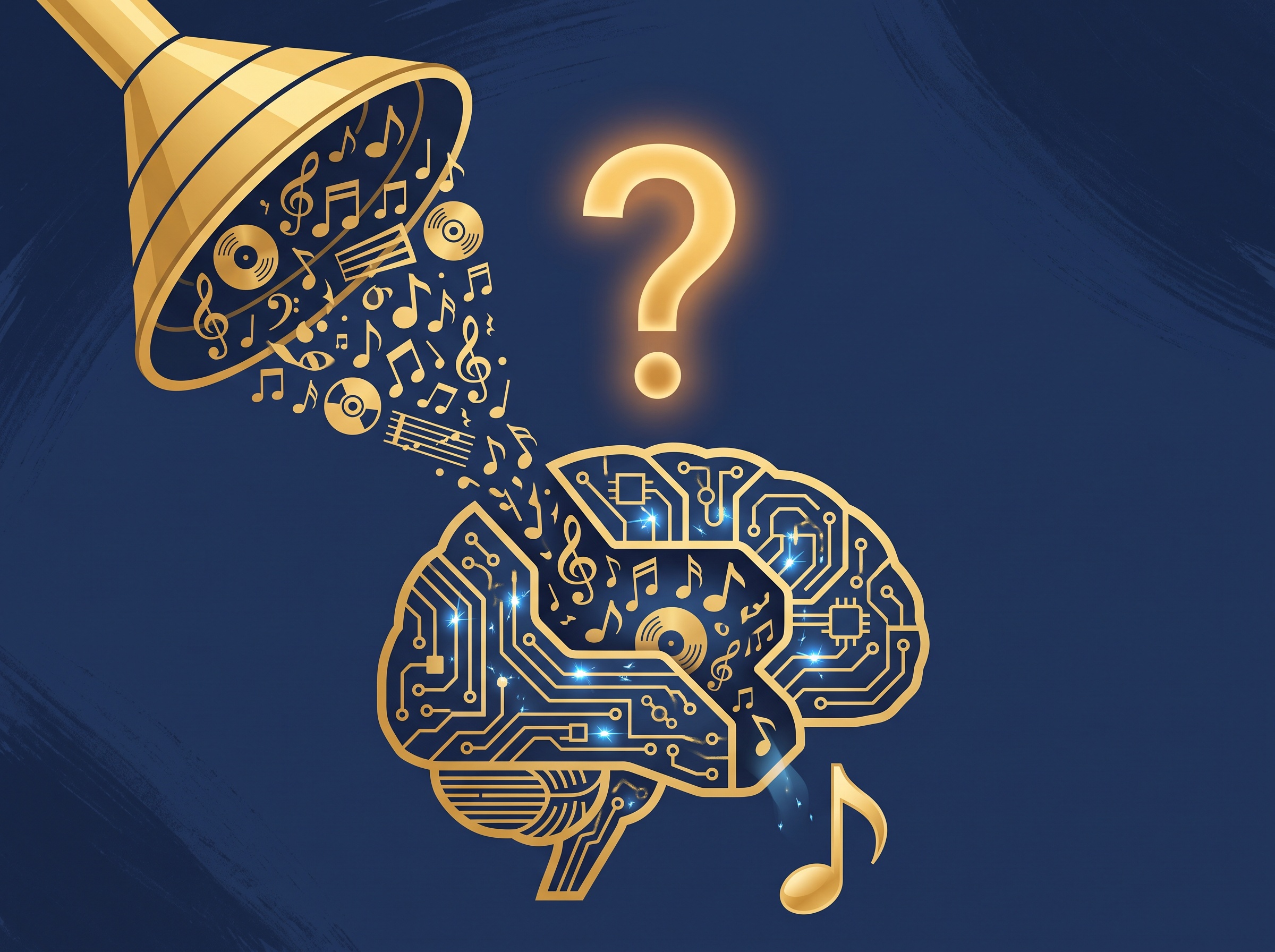
Suno and Udio are both text-to-music generators. You describe a song; the model produces audio that can include melody, instrumentation, structure, and sung vocals. To learn how to do that convincingly, a model has to be trained on a massive library of existing recordings — and that’s the heart of the dispute.
Track the cases yourself
Every current AI-copyright ruling — and the ones still being fought — lives in our AI Copyright Ruling Tracker. Filter by your creator type to see, in plain language, how each case affects your rights.
The labels alleged that Suno and Udio copied vast catalogs of sound recordings to build their training data, an act of reproduction that, in the labels’ view, is straightforward copyright infringement on a huge scale. They pointed to outputs they said sounded suspiciously close to real recordings and identifiable artists. The AI companies did not deny using large amounts of music; instead they leaned on a defense you’ll hear in nearly every AI copyright case: that training a model on copyrighted works is a transformative fair use, not piracy.
The Legal Fight: Is Training AI on Music “Fair Use”?
Strip away the music-industry drama and these cases turn on one question that’s being asked across every corner of AI right now: does copying copyrighted works to train a model count as fair use?
Fair use is a four-factor balancing test in U.S. copyright law. The AI companies argue their use is transformative — they’re not reselling the songs, they’re teaching a system statistical patterns of what music sounds like. The labels argue the opposite: that this is wholesale commercial copying that directly competes with and devalues the very recordings it was trained on, which cuts hard against fair use. Because the answer will ripple far beyond music — into text, images, and code — a definitive ruling in the Suno and Udio cases is one of the most closely watched legal events in the entire AI world.
How the Battle Split: Settlements, Licensing Deals, and Holdouts
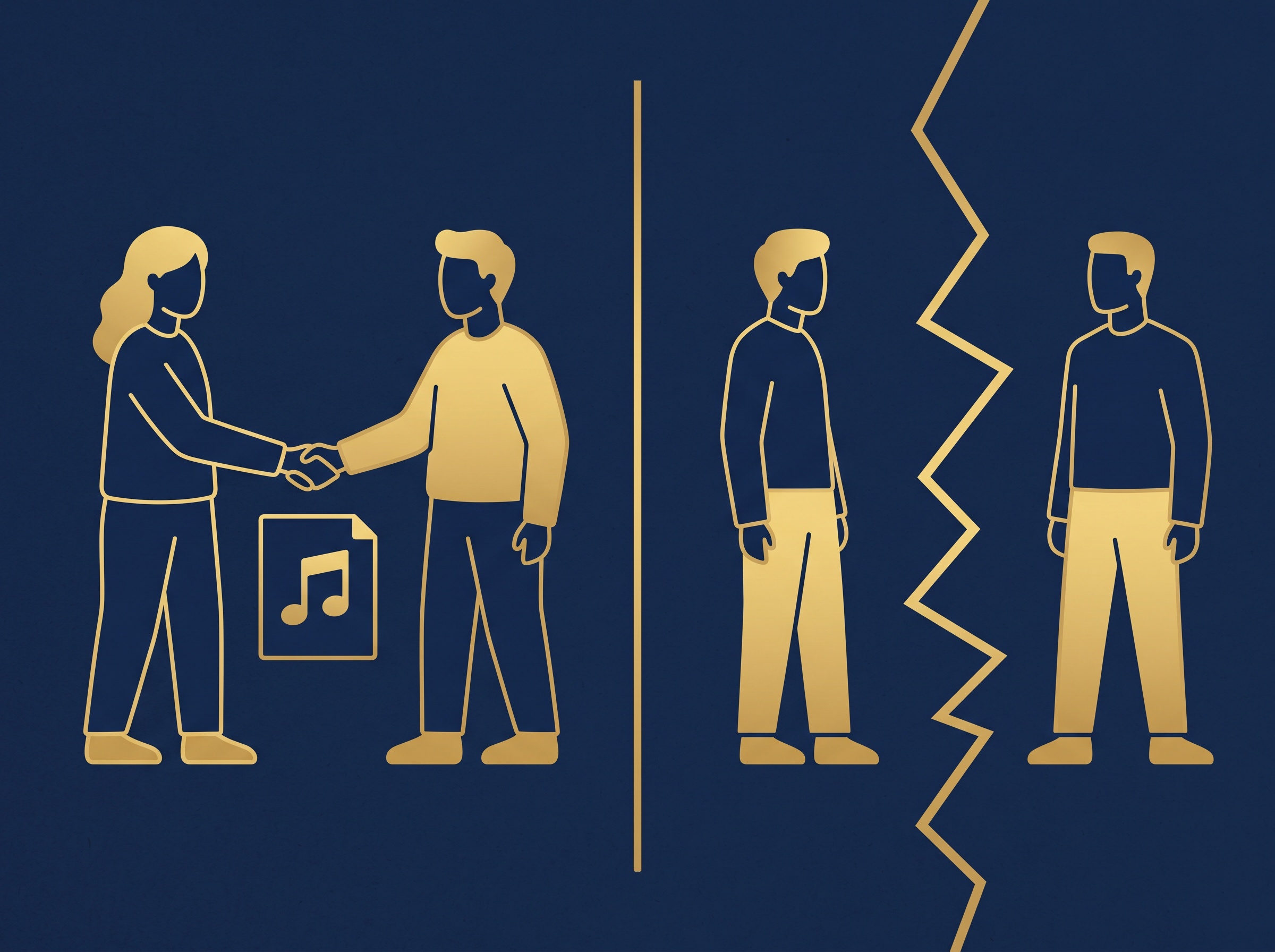
Here’s the twist. What began as a coordinated, united front from the three major labels did not stay united. By 2026, reporting indicated the position had fractured: some labels reached settlements with the AI companies that converted the fight into a licensing relationship — the AI tool pays to use the catalog, sometimes with per-generation royalties and guardrails to stop outputs that copy a specific recording too closely — while at least one major label kept litigating, pressing for a court ruling on the fair-use question rather than a deal.
That split makes sense once you see the incentives. A settlement-and-license turns a legal threat into a revenue stream and gives the label a seat at the table of a technology that isn’t going away. Holding out, on the other hand, preserves the chance of a landmark court win that would set the price of admission for the whole industry. Neither path is obviously “right,” which is exactly why the labels chose differently.
A newer wrinkle is worth flagging: the American Federation of Musicians was reported to have sued major labels over licensing session musicians’ recordings to AI training without the consent or compensation their agreements require. In other words, even the settlements are now being contested — this time by the performers whose playing is inside those catalogs. The fight over who gets paid, and who has to say yes, is far from over.
What This Means for You as a Musician or Creator
If you’re an independent artist, the takeaway isn’t a legal doctrine — it’s leverage and awareness. A few practical points:
- Your recordings have value as training data, and that value is now being priced. The deals emerging in these cases establish that catalogs can be licensed for AI, not just scraped for free. If you’re signed or distributed, ask where you stand and whether any AI-training rights are being granted on your behalf.
- Read your distribution and label agreements for AI-training language. New contracts increasingly include clauses about AI use of your masters. Know whether you’re granting those rights, and whether you share in any resulting payment.
- Style isn’t protected, but specific recordings are. An AI that makes something “in the style of” a genre is on far safer ground than one that reproduces a recognizable recording. If an AI output sounds like it copied your actual track, that’s a stronger claim than “it sounds like my vibe.”
- Watch for opt-outs. Some platforms and services offer ways to signal that your work shouldn’t be used for AI training. They’re imperfect, but using them documents your intent.
If You Use Suno or Udio to Make Music
Plenty of creators aren’t suing anyone — they’re using these tools to make jingles, demos, background tracks, or full songs. The lawsuits create real, practical uncertainty for you, so be clear-eyed:
- The tools are still operating. Despite the litigation, Suno and Udio have kept running and, in some cases, moved toward licensed catalogs. But their legal footing could shift with a ruling or a settlement, so don’t build a business on the assumption that today’s terms are permanent.
- Check the platform’s terms for commercial rights. Whether you can sell or monetize a track usually depends on your subscription tier and the service’s current terms of service — and those terms can change as deals are signed. Confirm your commercial-use rights before you release or sell anything.
- Your AI-generated song may not be fully copyrightable. The U.S. Copyright Office has been clear that purely AI-generated material isn’t protected by copyright; only your human creative contributions are. That affects your ability to stop others from copying an AI track you made.
- Don’t prompt for a specific artist or song. Asking a tool to clone a named artist or recreate a real track is where you’re most likely to generate something that infringes — and the risk lands partly on you as the person who released it.
What to Watch Next
A handful of signals will tell you where this is heading. First, any actual court ruling on the fair-use question — that’s the domino that reshapes the leverage for everyone, in music and beyond. Second, the shape of new licensing deals: do they include independent artists and session players, or only the majors? Third, whether “AI music” gets its own labeling, royalty, or metadata standards on streaming platforms. And fourth, how the performer-side lawsuits over consent and compensation play out, because those decide whether the humans inside the catalog get a say and a check.
The short version: the era of quietly training on everyone’s music for free is ending, and a real market — with contracts, payments, and rules — is being built in its place. That’s mostly good news for people who make music, as long as you know where your rights sit and don’t sign them away by accident.
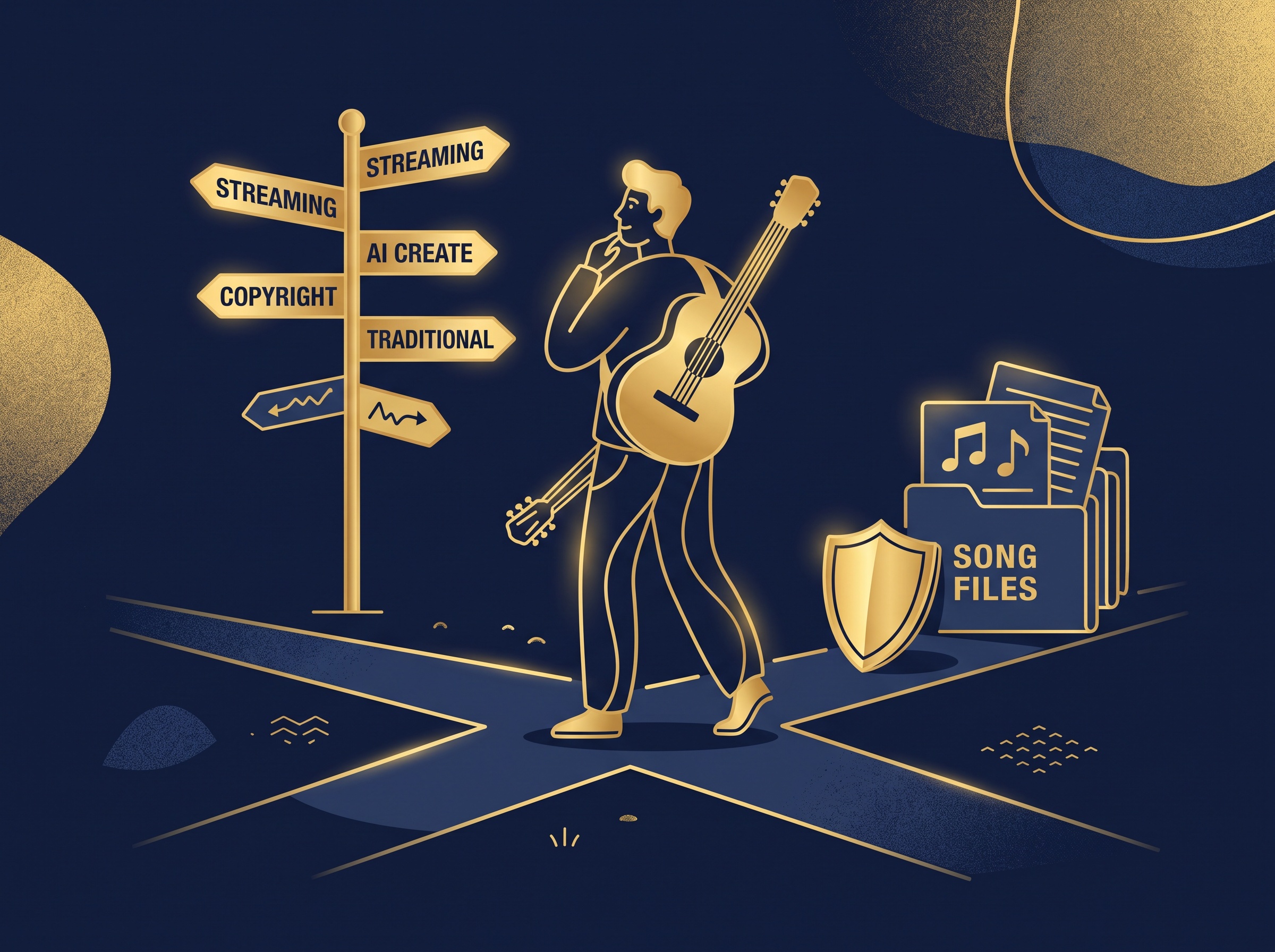
This article is general information, not legal advice. The Suno and Udio cases are active, fast-moving, and full of settlements and terms that change month to month. Before you make decisions about selling AI-generated music, signing an agreement that grants AI-training rights, or pursuing a claim over your own recordings, check the current terms of service and consult a qualified music or IP attorney.
IPSurge helps creators and small businesses understand and protect their intellectual property — the songs, names, and work that make them unique.
Sources & further reading:
- RIAA — Record Companies Bring Copyright Infringement Cases Against Suno and Udio
- U.S. Copyright Office — Copyright and Artificial Intelligence study
- U.S. Copyright Office — Copyright Registration Guidance: Works Containing AI-Generated Material
- Suno — Terms of Service (ownership and commercial-use terms)
- Udio — Terms of Service