It usually starts friendly. A message lands: “Love your work – can you design a logo / draw my character / illustrate my book cover?” You say yes, you send some ideas, and three weeks later you’re on your ninth revision, you still haven’t been paid, and the client is now using your rejected drafts on their website. Sound familiar?
Almost every freelance horror story traces back to the same missing piece: there was no real contract. A DM, a verbal “sounds good,” or a one-line quote is not an agreement that protects you. A commission contract is – and it doesn’t have to be intimidating. This is the plain-language version of what to put in one, why each piece matters, and how to keep ownership of the work you make. (This is general information, not legal advice – for a big-money or unusual deal, have an attorney look it over.)

What a Commission Contract Actually Does (and Why a DM Isn’t One)
A commission contract is simply a written record of the deal: who’s making what, for whom, by when, for how much, and who ends up owning it. That’s it. It’s not a sign you distrust the client – it’s the professional equivalent of writing down the handshake so nobody has to remember it differently later.
Track the cases yourself
Every current AI-copyright ruling — and the ones still being fought — lives in our AI Copyright Ruling Tracker. Filter by your creator type to see, in plain language, how each case affects your rights.
Here’s the thing most creators don’t realize: you don’t need a lawyer to draft one, and you don’t need ten pages of legalese. A clear two-page agreement that both people actually read beats a twenty-page template nobody understands. What matters is that it covers five things – scope, money, revisions, rights, and an exit – and that both sides sign before you start work. Once the first sketch exists, your leverage to set terms is gone.
Nail the Scope: Deliverables, Revisions, and What “Done” Means
Scope creep is the number-one way freelancers lose money. It’s rarely one big ask – it’s a hundred small “can you just…” requests that quietly double the work. Your contract stops that by defining the finish line up front.
- Exact deliverables. Not “a logo” but “one primary logo, delivered as PNG, SVG, and PDF, in full color and one-color versions.” Spell out formats, dimensions, and quantity.
- Revision rounds. Name a number: “includes two rounds of revisions.” Then add the magic sentence: “Additional revisions billed at $X per round.” This single line turns endless tweaking into a paid service instead of free labor.
- What counts as a revision. A color tweak is a revision. “Actually, can it be a completely different concept?” is a new project. Say so.
- Definition of done. Delivery of the agreed final files – not “whenever the client feels happy,” which can be never.
If it isn’t written in the deliverables list, it isn’t included. That’s not being difficult; that’s being clear.
Money: Deposits, Milestones, and the Kill Fee
Never start a commission on a promise of payment. Structure the money so you’re never doing large amounts of work with nothing in hand.
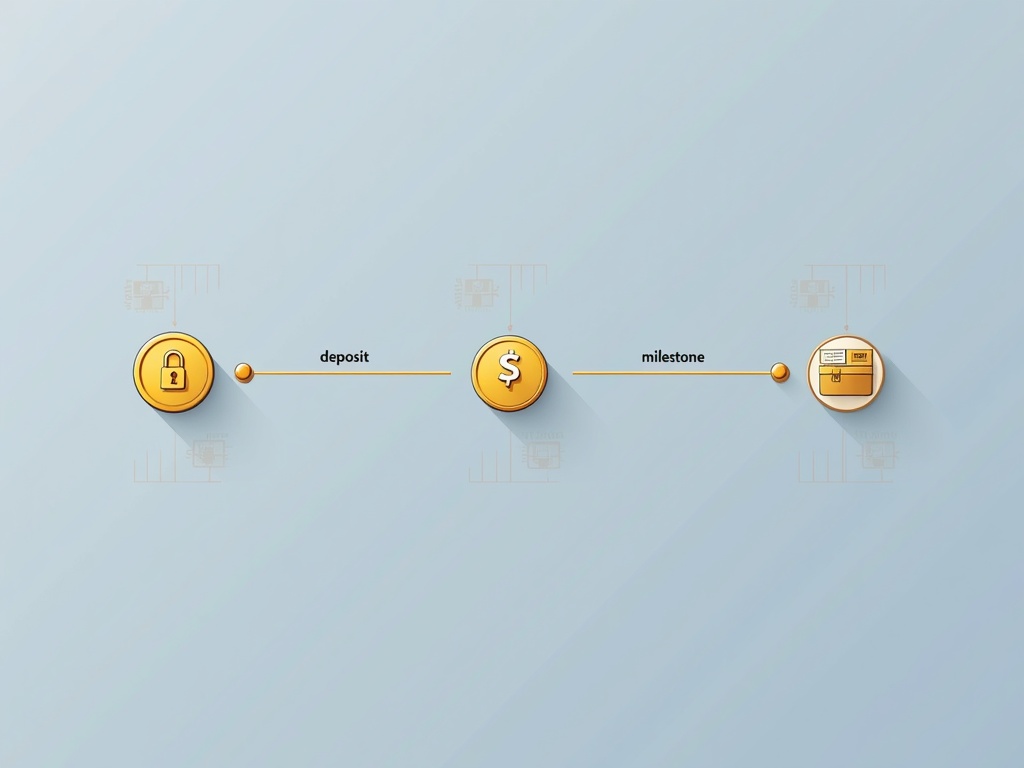
- Deposit up front. A common standard is 25-50% non-refundable before any work begins. This proves the client is serious and covers you if they vanish. Say clearly that work starts only after the deposit clears.
- Milestones for bigger jobs. For a large project, break payment into stages – deposit, a payment at concept approval, and the balance on delivery. You get paid as you go, not all at the risky end.
- Final payment before final files. Send watermarked or low-resolution proofs for approval; release the high-res, print-ready, layered source files only after the balance is paid.
- A kill fee. This is the clause that saves your income when a client cancels midway. It states that if they walk away, you keep the deposit and are owed a set percentage of the fee for work already done. Without it, a cancellation can mean weeks of unpaid work.
- Late fees and expenses. Note when payment is due (e.g. net 14) and whether costs like stock, fonts, or printing are billed on top.
The Big One: Who Owns the Work?
This is where creators lose the most – not money, but the long-term value of their own art. Under U.S. copyright law, the person who creates a work is the author and the default copyright owner the moment it’s fixed in tangible form (U.S. Copyright Office, Circular 1). Getting paid to make something does not automatically transfer that copyright to the client. Two things can change that, and both must be in writing and signed:
- “Work made for hire.” If your contract says the work is a “work made for hire,” the client – not you – is treated as the author and owner from the start, and you may never be able to reclaim it. For an independent contractor, this only applies to specific categories of commissioned work and only when both parties sign a written agreement saying so (U.S. Copyright Office, Circular 30). Read any contract carefully for this phrase. It is often buried in a client’s template, and it gives away everything.
- A copyright assignment. A clause that “transfers” or “assigns” all rights to the client also hands over ownership. It’s legitimate – but it should be priced accordingly, because you’re selling the asset, not renting it.
If your contract is silent on ownership, you generally keep the copyright and the client gets only an implied license to use the work for its intended purpose. Silence favors the creator – but silence also breeds disputes, so it’s far better to state the terms plainly.
Usage Rights: The Clause That Decides Your Future Income
Even when you keep copyright, you’ll grant the client a license to use the work. How you word that license is often worth more than the fee itself. Think of it like renting a property: you decide where, how long, and for what.
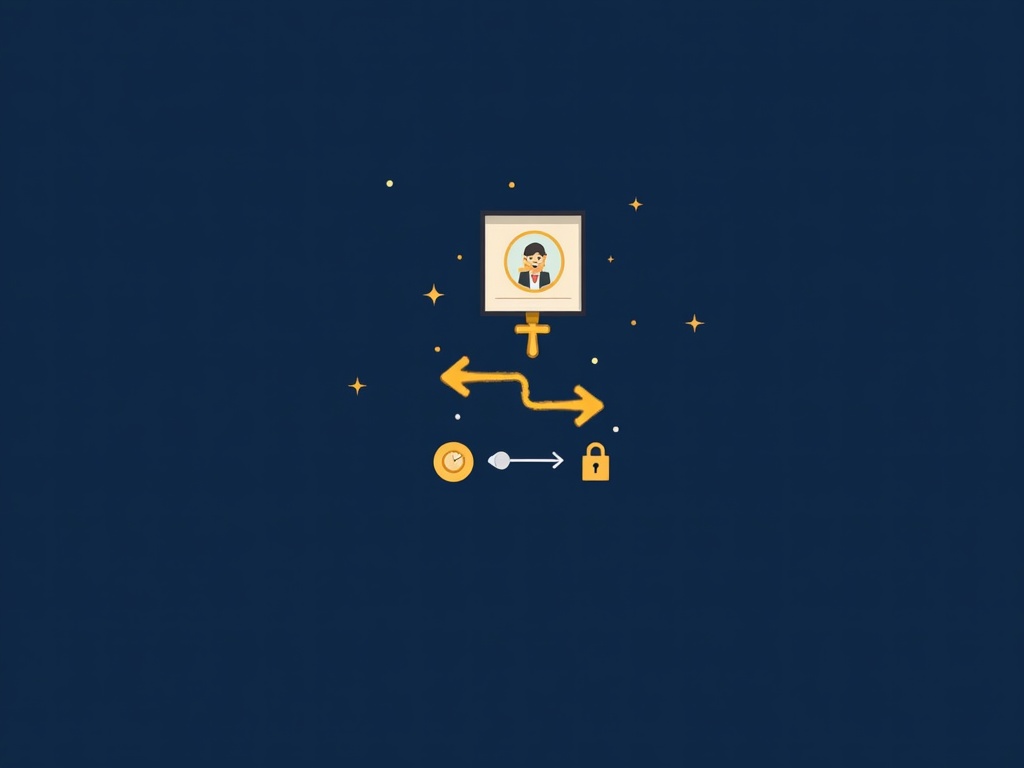
Spell out the license across four dimensions:
- Scope: what can they use it for – a personal profile picture, a product label, a national ad campaign? A logo used on a billboard is worth far more than one used on a business card.
- Exclusivity: exclusive (only they can use it) or non-exclusive (you can license it again)? Exclusive costs more.
- Territory and term: worldwide or one country; forever or for two years?
- Credit and portfolio rights: reserve the right to show the piece in your portfolio and to be credited. Don’t give that away by accident.
The takeaway: never say “here you go, do whatever you want” unless you’re being paid full-transfer money. A tightly scoped license lets you charge again later – for a new use, a new region, or an extended term.
An Exit Plan: Cancellation, Approval, and Ownership of Drafts
Good contracts plan for the deal going sideways. A few short clauses cover it:
- Cancellation: what happens if either side pulls out – who keeps the deposit, what the kill fee is, and when files are (or aren’t) handed over.
- Approval and sign-off: a simple line that the client’s written approval of a proof means that stage is locked; reopening it counts as a new revision round.
- Rejected drafts and sketches: state that preliminary concepts, sketches, and rejected versions remain your property and can’t be used without a separate license. This stops a client from paying for one design and quietly using three.
- Rights transfer on payment: tie any license or ownership transfer to full payment. Until you’re paid, the rights stay with you.
Your Commission Contract Checklist – and What to Do Next
You don’t need to start from a blank page. Reputable, creator-tested templates exist: the AIGA Standard Form of Agreement for Design Services and the contract guidance in the Graphic Artists Guild Handbook are both written for working creatives, not corporations. Adapt one to your style rather than trusting a client’s version.
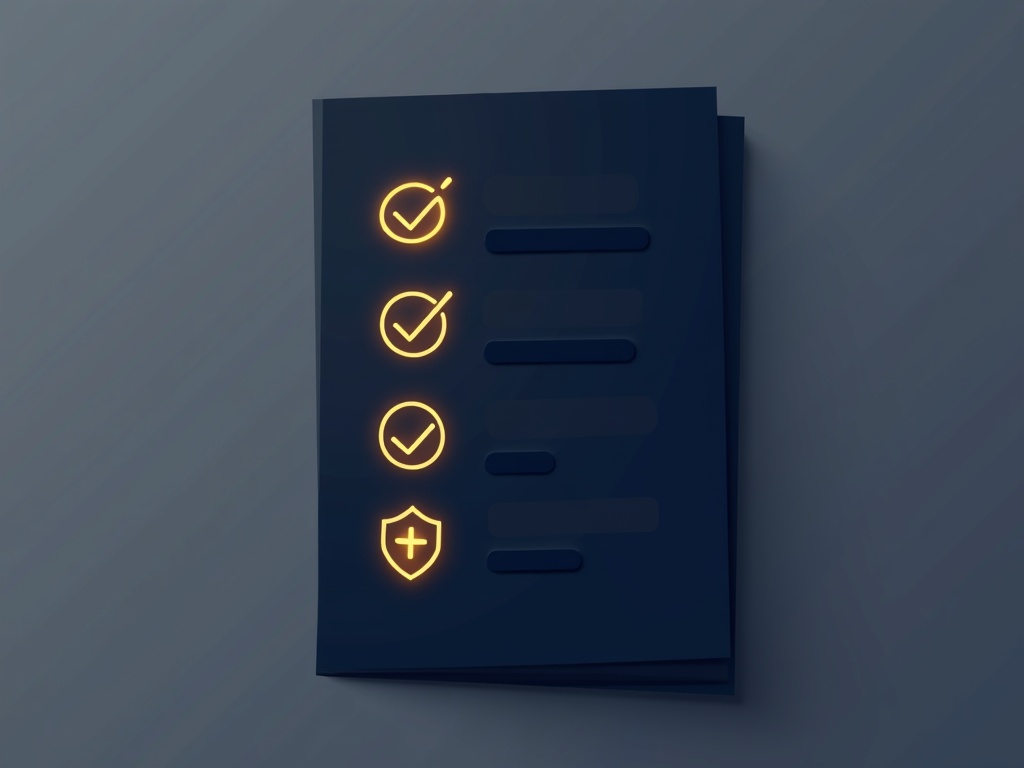
Before your next commission, make sure your agreement answers all five:
- Scope – exact deliverables, formats, and a set number of revision rounds (extras billed).
- Money – non-refundable deposit, milestones for big jobs, final files released only on final payment, and a kill fee.
- Ownership – watch for “work made for hire” and assignment clauses; price a full transfer like the sale it is.
- Usage rights – scope, exclusivity, territory, term, plus portfolio and credit rights reserved.
- Exit – cancellation terms, sign-off rules, and rejected drafts staying yours.
Send it before the first sketch, get a signature (a typed name on an e-sign tool is fine for most jobs), and keep a copy. A five-minute document turns “I hope this goes okay” into “I know exactly what we agreed.” That’s not being a difficult freelancer – that’s being a professional one.
IPSurge helps creators and small businesses understand and protect their intellectual property – the ideas, names, and work that make them unique. This article is general information, not legal advice.
Sources & further reading:
- U.S. Copyright Office – Circular 30: Works Made for Hire
- U.S. Copyright Office – Circular 1: Copyright Basics
- AIGA – Standard Form of Agreement for Design Services
- Graphic Artists Guild – Handbook: Pricing & Ethical Guidelines (contracts)