
The Anthropic Copyright Settlement: Are You Eligible to Claim?
Anthropic agreed to pay $1.5 billion for using pirated books to train its AI. Here’s who qualified, what a claim was worth, and what the whole thing means for you.

Anthropic agreed to pay $1.5 billion for using pirated books to train its AI. Here’s who qualified, what a claim was worth, and what the whole thing means for you.

It was billed as the case that would decide whether AI companies can train on your work. Then the UK court handed down its verdict — and the headlines said Getty lost. But the real story is more useful, and more nuanced, than any headline. Here’s Getty v. Stability AI in plain English: what Getty actually claimed, why it mostly lost in the UK, why the US case is far from over, and what all of it means for you as a creator.
A man built an AI, told the Copyright Office the AI made a picture entirely on its own, and asked to register the machine as the author. The government said no, and in March 2025 a federal appeals court agreed: under US law, a copyright needs a human author. But the case is far narrower — and far more useful to you — than the scary headline suggests. Here’s the plain-English version, and exactly what it changes for creators who use AI tools.
Your name, your face, your voice — in the eyes of the law, they’re not just personal. They’re a form of property you own, and AI has made that ownership more valuable and more vulnerable than ever. Here’s a plain-English guide to the right of publicity in 2026: what it protects, why you don’t have to be famous, the new laws written specifically for the AI era, and how to actually protect and even license your own identity.

AI can now put your face in a video you never filmed and your voice in words you never said. So can anyone legally do that? Here’s a plain-English guide to your deepfake likeness rights in 2026 — the protections you already have, the new federal law that changed things, and exactly what to do if a fake of you shows up.

Someone can now clone your voice from a few seconds of audio and make you ‘say’ or ‘sing’ anything. So what does the law actually let you do about it? Here’s a plain-English guide to AI voice cloning laws for musicians and voice actors — the rights you already have, the new ones arriving, and what to do if a fake shows up.
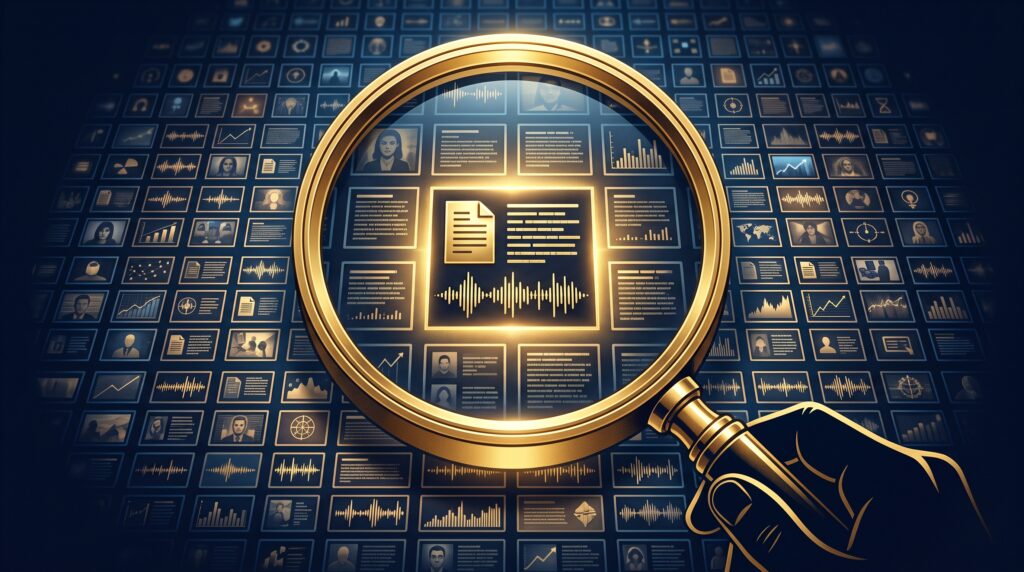
That nagging feeling that your art, writing, or photos ended up inside an AI model? You can actually check. Here’s a plain-English guide to the tools that search real training datasets — and the concrete steps to take if your work turns up.
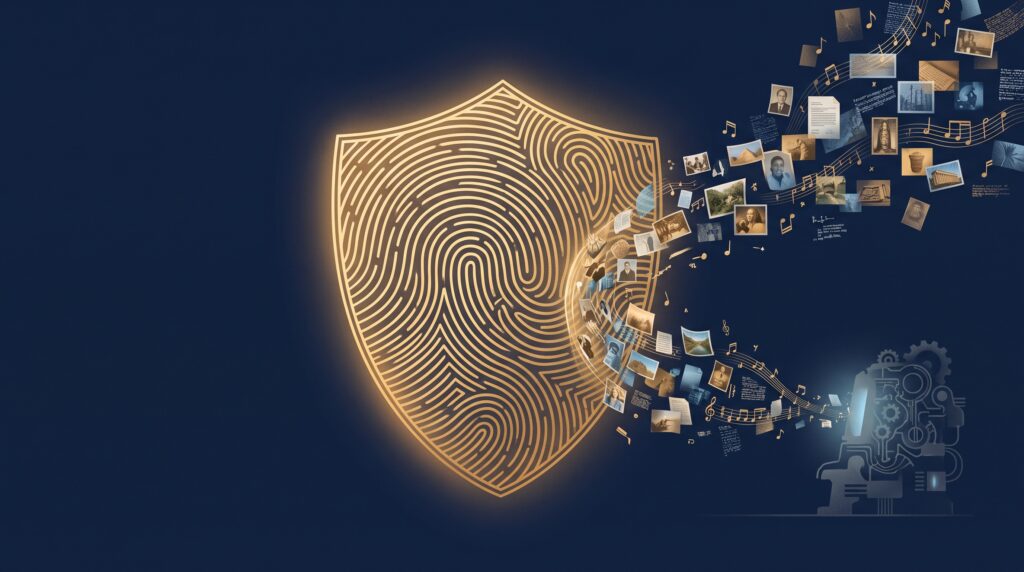
You didn’t sign up to be training data. Here’s a plain-English, step-by-step guide to opting your art, writing, music, and photos out of AI training in 2026 — and an honest look at what opting out actually can and can’t do.

You made your logo with an AI tool and now you want to protect it. Good news: trademark law doesn’t ask who — or what — drew it. Here’s what actually matters, and the two traps that catch new brands.

You want to put an AI image on a product, an ad, or a client project. Can you legally sell it? Usually yes — but two different things can trip you up. Here is the plain-English guide for sellers and businesses.