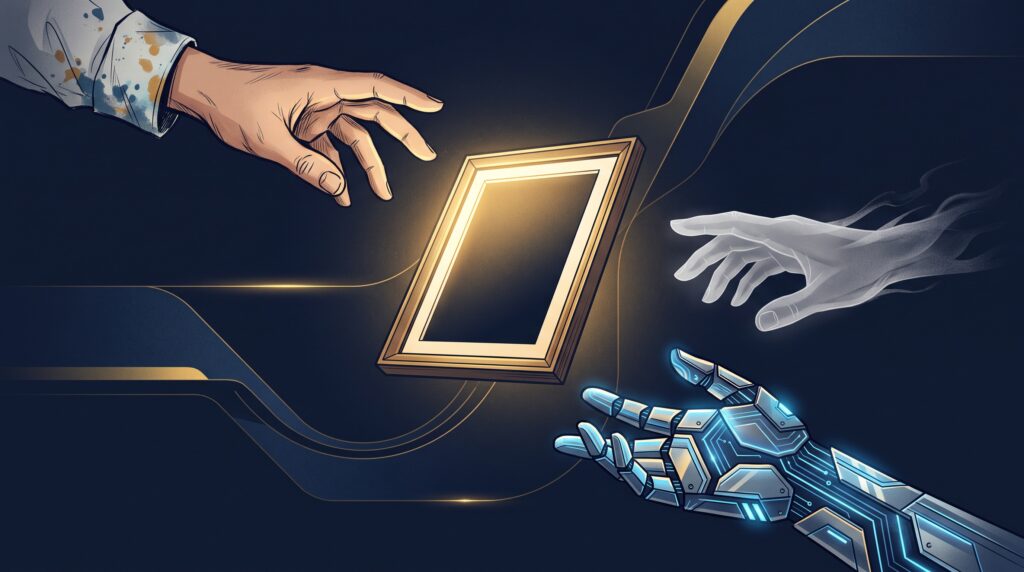
Who Owns AI-Generated Images? Creator, Company, or Nobody
You generated an image. Who actually owns it — you, the app that made it, or nobody at all? Here is the plain-English answer, and what it means for selling and protecting your work.

You generated an image. Who actually owns it — you, the app that made it, or nobody at all? Here is the plain-English answer, and what it means for selling and protecting your work.
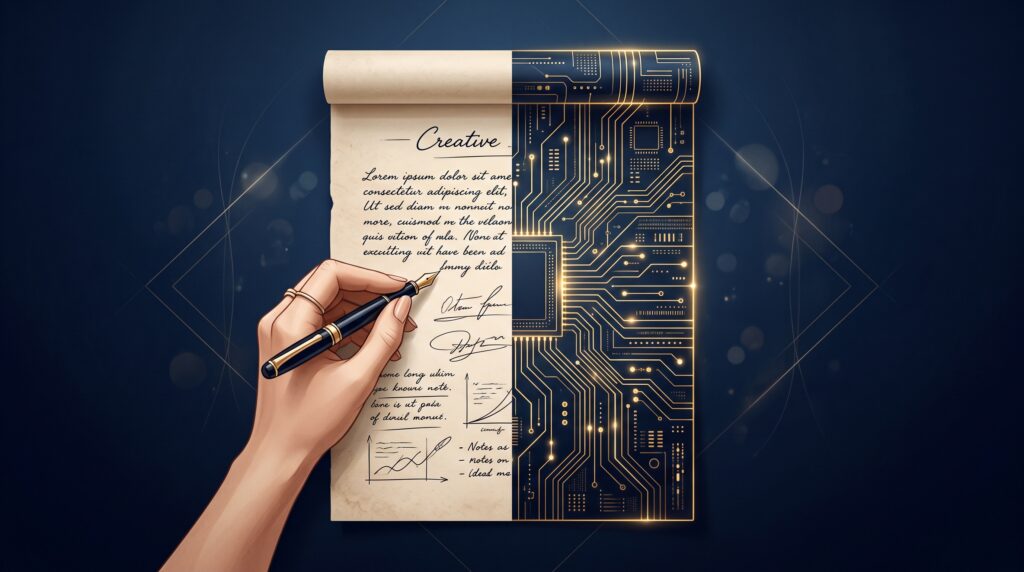
Text, images, music, video, code — which AI-assisted work can you actually copyright in 2026? Here’s the honest answer, broken down by content type, plus how to register the parts that count.
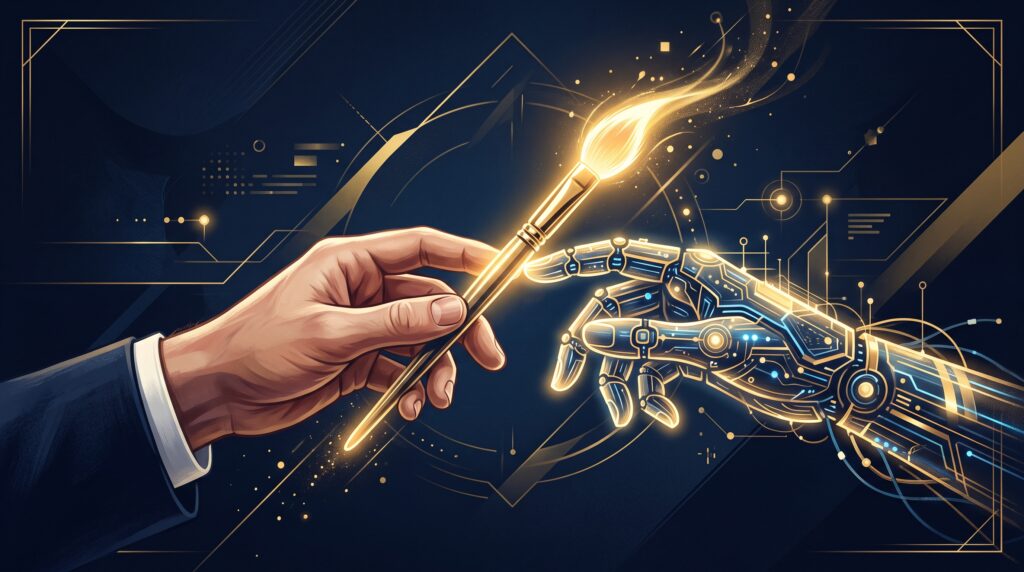
You made something with AI. Can you own it? Here is the plain-English answer for creators — what the law says right now, and the practical steps that protect you.

Three working artists took on the biggest names in AI image generation — and started the case that could decide whether training AI on your art without permission is legal. Here’s Andersen v. Stability AI in plain English: who’s suing, what they claim, what the court has already decided, the huge question still unanswered, and what all of it means for you.
It was the first time a US court squarely ruled on fair use in an AI copyright case — and the AI company lost. But before you panic or celebrate, read the fine print. Thomson Reuters v. Ross Intelligence is narrower and stranger than the headlines suggest, and understanding exactly what Judge Bibas decided (and pointedly did not decide) tells you far more about your rights as a creator than any hot take. Here’s the plain-English version.
You used an AI tool. You also did real creative work — you chose, arranged, edited, refined. So where’s the line? How much of a piece has to come from you before the Copyright Office will call it yours? There’s no magic percentage, but there IS a workable answer, and it’s more encouraging than the headlines suggest. Here’s the human authorship threshold in plain English, plus a five-minute self-audit to protect the parts that count.

You can tell AI companies to stay off your site – but is anyone legally required to listen? Here’s what robots.txt and ai.txt really do, and how to protect your work.

Yes, you can usually sell what you make with Midjourney or DALL-E – but ‘allowed to sell it’ and ‘able to own and protect it’ are two very different things. Here’s the difference, in plain language.
An AI detector flagging your work feels alarming – but detectors don’t grant or take away copyright. Here’s what actually decides your claim, why detector scores carry little legal weight, and how to protect yourself either way.
You wrote a hook, tweaked the lyrics, and let an AI tool build the track – so is the song yours? The answer hinges on how much of the music a human actually created. Here’s what you can copyright, what you can’t, and how to protect the parts that are truly yours.