Here’s a fact that surprises most creators: in several major countries, an AI company can legally copy your articles, photos, songs, and code, feed them into a training pipeline, and never ask your permission or pay you a cent. It isn’t a loophole or a gray area — it’s written directly into the law, under a dry-sounding label called a “text and data mining” exception.
These exceptions are the quiet reason the global fight over AI training looks so different depending on where you stand. In the United States it plays out as a messy courtroom brawl over “fair use.” In Europe and Japan, by contrast, lawmakers decided the question years ago — and in ways that often favor the machines. If you create anything for a living, it’s worth understanding exactly what the law lets AI take for free, and where you still have the power to say no.
What “Text and Data Mining” Actually Means
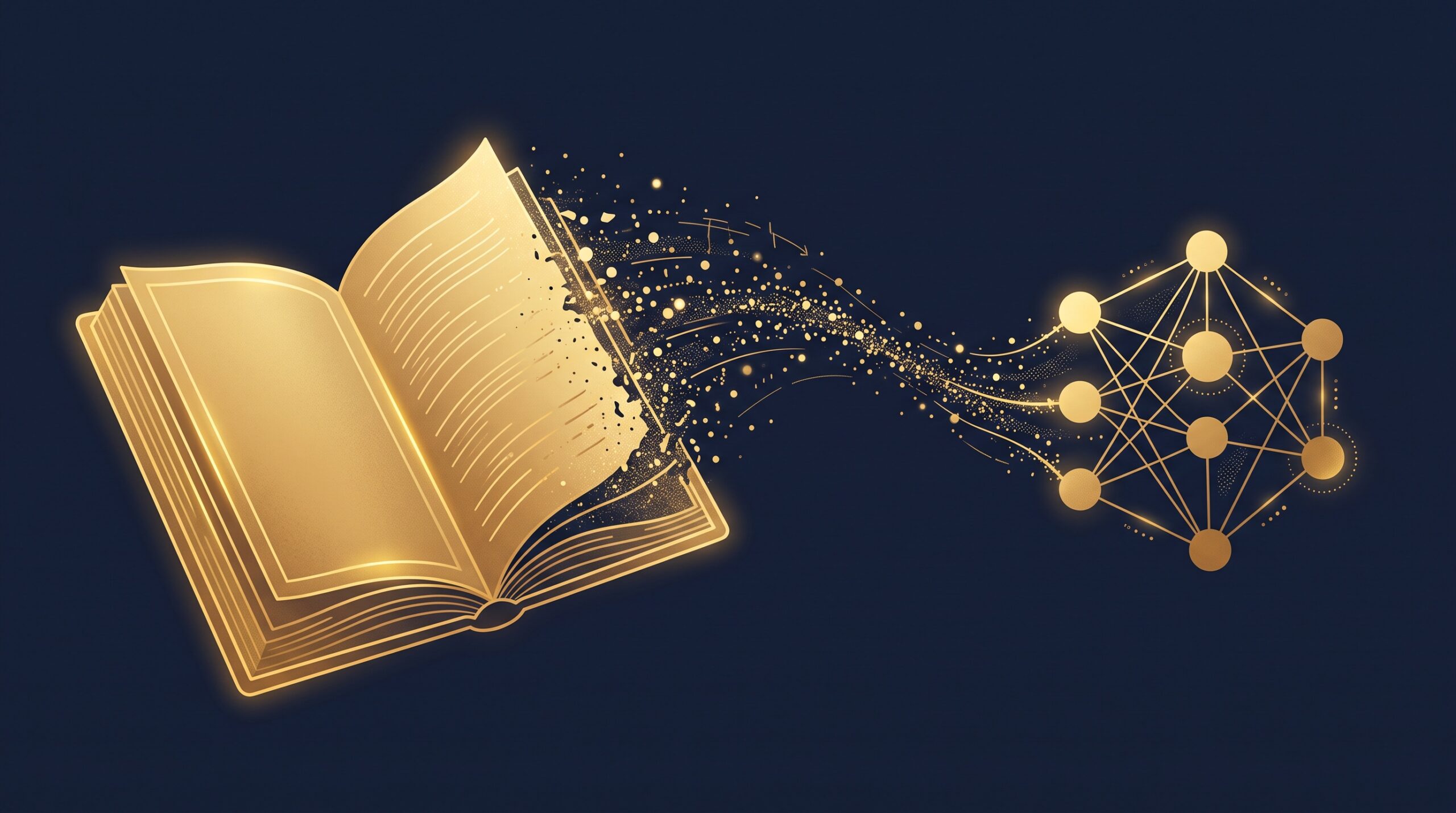
“Text and data mining” (TDM) is the legal term for using automated tools to copy and analyze large amounts of content — text, images, audio, code — to find patterns in it. Training a large AI model is, at its core, exactly this: ingesting enormous datasets and extracting statistical relationships from them.
Track the cases yourself
Every current AI-copyright ruling — and the ones still being fought — lives in our AI Copyright Ruling Tracker. Filter by your creator type to see, in plain language, how each case affects your rights.
The catch is that even temporary copying normally triggers copyright. To analyze a million images or articles, a system first has to copy them, and copying is one of the exclusive rights a copyright owner holds. So the legal question becomes: is that bulk copying allowed without permission? A TDM exception is a law that answers “yes” — at least under certain conditions. Where one exists, it carves mining out of the copyright owner’s control.
The Patchwork: Where the Law Already Lets AI Take Your Work
There is no single global rule. Instead there’s a patchwork, and the differences are stark.
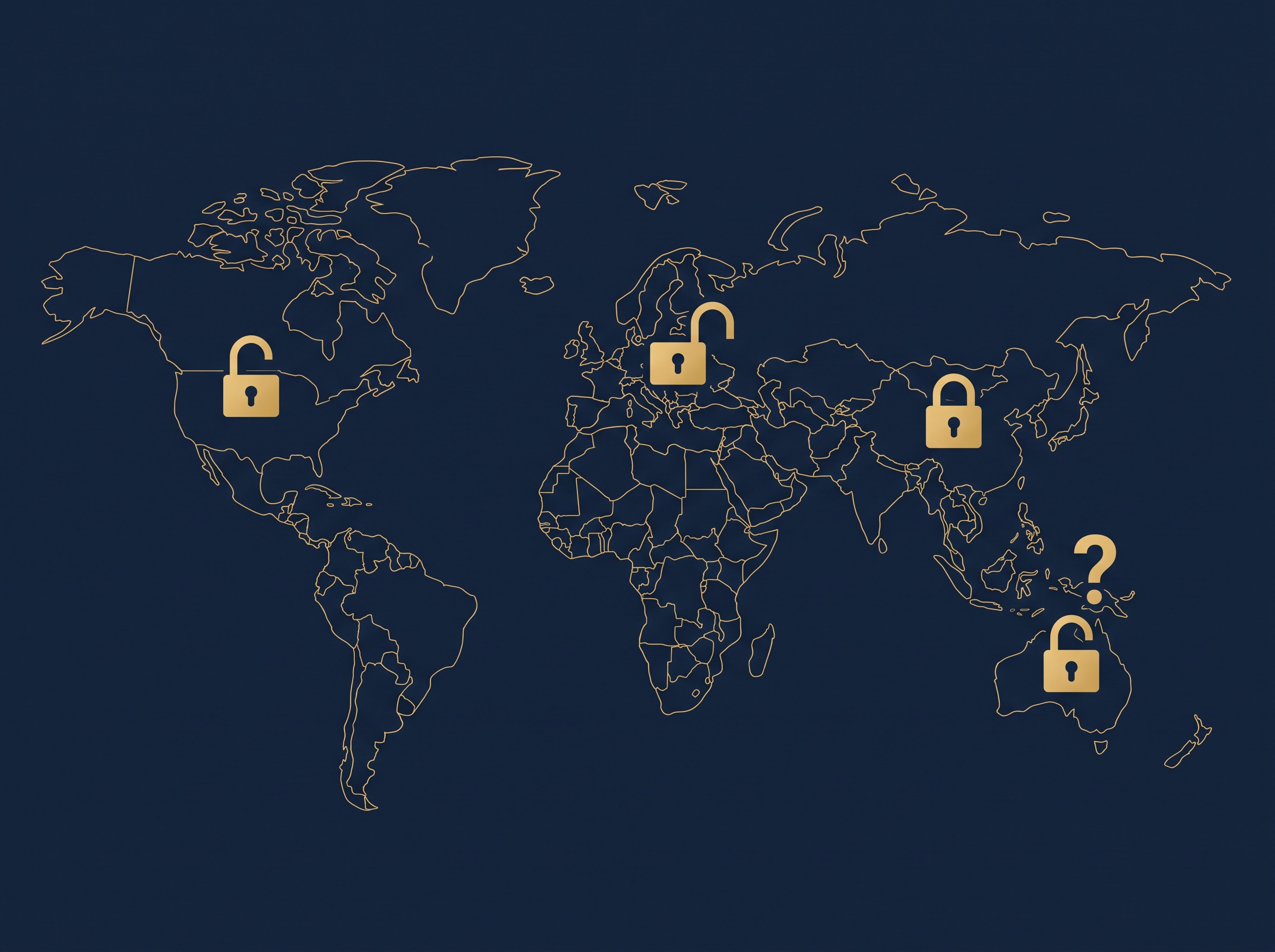
The European Union. The EU built two TDM exceptions into its 2019 copyright directive, Directive (EU) 2019/790. Article 3 lets research organizations and cultural heritage institutions mine works they have lawful access to for scientific research — and this one cannot be overridden by contract. Article 4 goes much further: it permits text and data mining for any purpose, including commercial AI training — unless the rightholder has expressly reserved their rights. That last clause is the whole ballgame for creators, and we’ll come back to it.
Japan. Japan is widely considered one of the most permissive countries on earth for AI training. Its Copyright Act (Article 30-4) broadly allows the exploitation of works for data analysis where the purpose is not to enjoy the work’s expression itself. In practice, that has been read to give AI developers wide latitude to use copyrighted material as training data without a license.
The United Kingdom. The UK’s exception is deliberately narrow. Section 29A of the Copyright, Designs and Patents Act 1988 permits copies for text and data analysis, but only for non-commercial research. Commercial AI training falls outside it, which is why the UK has spent recent years consulting on whether to broaden the rule — a politically charged debate between the tech sector and the creative industries that remains unsettled.
The United States. The US has no TDM exception at all. Instead, everything hinges on fair use — the flexible, four-factor doctrine courts apply case by case. AI companies argue that training is transformative fair use; creators and rights holders argue it’s mass infringement. That is precisely the question being fought out in the wave of AI lawsuits working through US courts, and no clean answer has emerged yet. The U.S. Copyright Office’s own guidance on fair use stresses that these decisions are fact-specific — which is a polite way of saying nobody can promise you how a given case will come out.
The Opt-Out Catch: The EU’s “Reservation of Rights”
Go back to that Article 4 clause, because it defines how a lot of the world now works in practice. Under the EU’s commercial exception, AI developers may mine your work by default — the permission is assumed — but you can switch it off by expressly “reserving” your rights. Crucially, the law says that for content made available online, this reservation has to be done in a machine-readable way.

In plain terms: a note in your website’s footer saying “please don’t train on my work” is not enough. The signal has to be something an automated crawler can detect and respect — think structured metadata, robots-style directives, or emerging opt-out standards designed for exactly this purpose. This flips the usual copyright model on its head. Normally, others need your permission to copy. Under a commercial TDM exception, you have to actively announce your refusal, in the right technical format, or the law treats your silence as a yes.
Why This Matters Even If You’re Not in Europe
You might be thinking: I’m not in the EU, so why should I care? Two reasons.
First, the internet doesn’t respect borders, but AI companies increasingly try to. Many developers now honor rights reservations and opt-out signals globally, partly to stay on the right side of EU law and partly for public relations. That means a properly expressed “no” can protect your work far beyond the country that invented the rule.
Second, the patchwork is shifting fast. Countries are actively rewriting these rules, courts are issuing decisions that reshape what “fair use” covers, and licensing markets — where AI companies simply pay for data — are growing alongside the free-taking exceptions. The exception that lets a model train on your work for free today may come with new conditions tomorrow. And where the law lets AI take for free, a licensing deal is the alternative; our guide to getting paid by AI companies for licensing your work and data covers the other side of that coin. The same tension is at the heart of the high-profile music cases we track in the Suno and Udio AI music lawsuits.
What This Means for You
You can’t single-handedly change a nation’s copyright law, but you have more control than the jargon suggests. Here’s how to use it:
- Figure out which law likely applies. It depends on where you and the AI developer operate, and it can be more than one country at once. If a meaningful amount of your income rides on your work not being mined, this is worth a real conversation with an advisor rather than a guess.
- Reserve your rights — the machine-readable way. If you want to rely on the EU-style opt-out, a human-readable notice isn’t enough. Use technical signals a crawler can parse (structured metadata, robots-style directives, and recognized opt-out standards), not just a sentence on your About page.
- Make the “no” consistent everywhere your work lives. Opting out on your own site does nothing for the copies sitting on a marketplace, a portfolio platform, or a social network. Check each platform’s settings and apply your preference across all of them.
- Weigh opting out against opting in. “Free taking” isn’t the only option — a licensing deal can turn AI training into revenue. Decide deliberately whether you want to block mining, get paid for it, or both for different bodies of work.
- Keep records and watch the space. Document when and how you reserved your rights. Because the rules are changing quickly, revisit your settings periodically rather than treating this as one-and-done.
The uncomfortable headline is that, in much of the world, the law now presumes AI can learn from your work unless you say otherwise. The empowering part is that “otherwise” is within your reach — if you express it clearly, in the format the machines are built to read.
This article is general information, not legal advice. Text and data mining exceptions, the EU’s rights-reservation rules, and US fair use are complex, fast-changing, and differ from country to country. Before relying on — or trying to opt out of — any of these rules, consult a qualified intellectual-property attorney in the relevant jurisdiction.
IPSurge helps creators, musicians, and small businesses understand and protect their intellectual property — the names, work, and ideas that make them unique.
Sources & further reading:
- Directive (EU) 2019/790 on copyright in the Digital Single Market (Articles 3–4, text and data mining) — EUR-Lex
- Copyright — Shaping Europe’s digital future, European Commission
- Copyright, Designs and Patents Act 1988, Section 29A (copies for text and data analysis for non-commercial research) — legislation.gov.uk
- 17 U.S.C. § 107 — Limitations on exclusive rights: Fair use — Legal Information Institute, Cornell Law School
- More Information on Fair Use — U.S. Copyright Office